Motorcycle Catalog Bimota
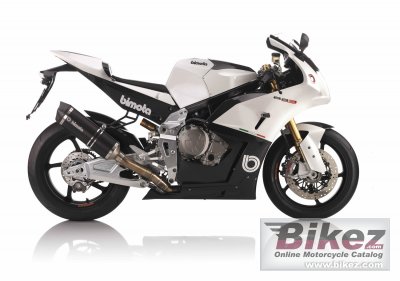
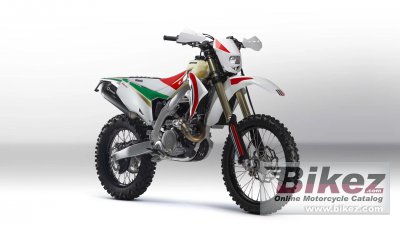
D
DB 4 i.e.
DB 4 i.e. HF
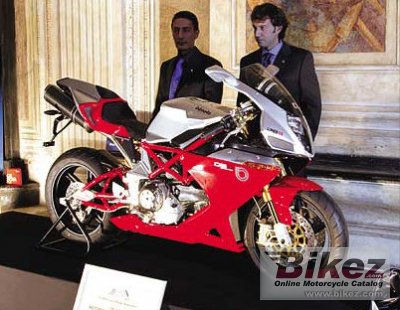
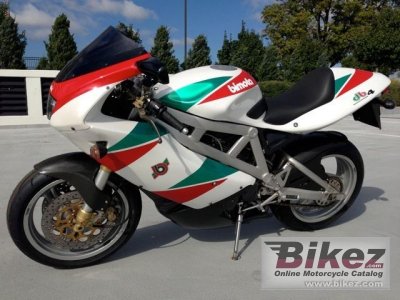
DB 5 Mille
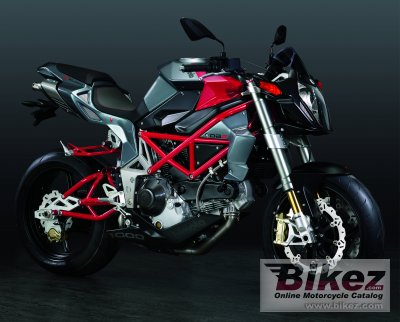
DB 6 Delirio
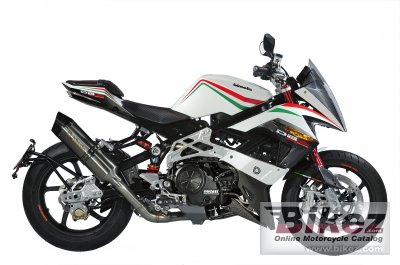
DB 9 Brivido Italia
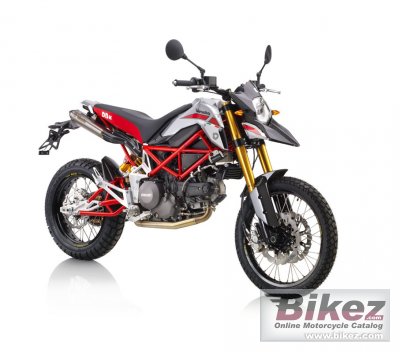
DB X
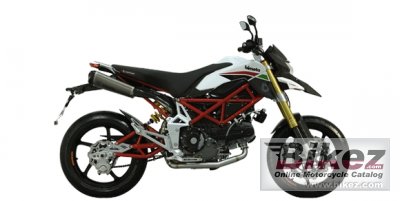
DB10 B.Motard
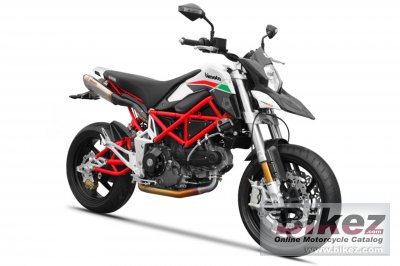
DB10 Bimotard
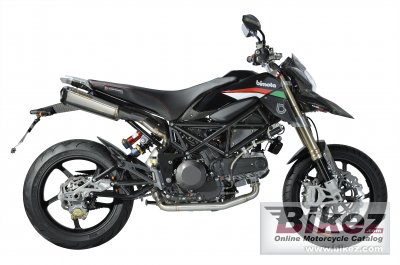
DB10 R
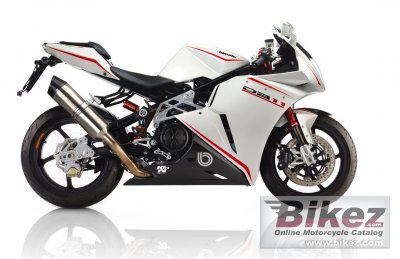
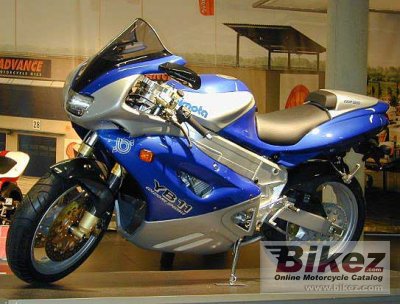
DB11
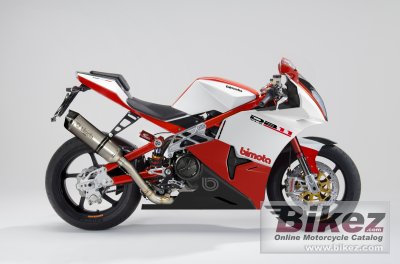
DB11 VLX
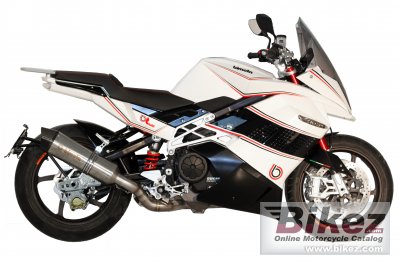
DB12 B Tourist
DB3 Mantra
DB4 - DB4 Iniezione
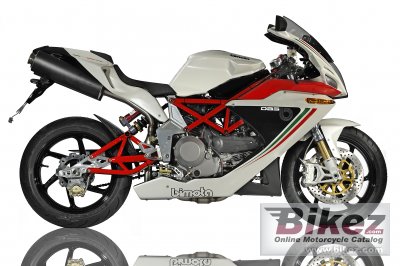
DB5
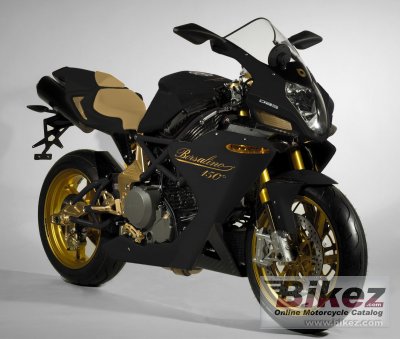
DB5 Borsalino
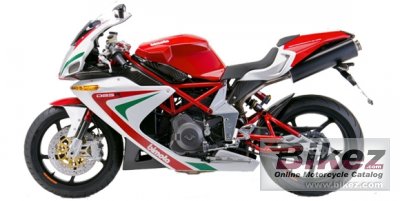
DB5 E Desiderio
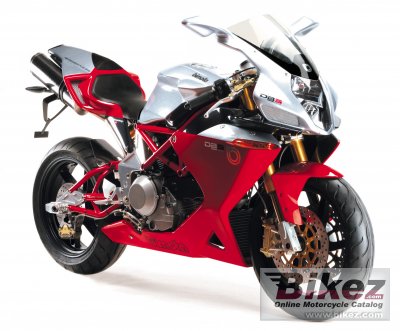
DB5 Mille
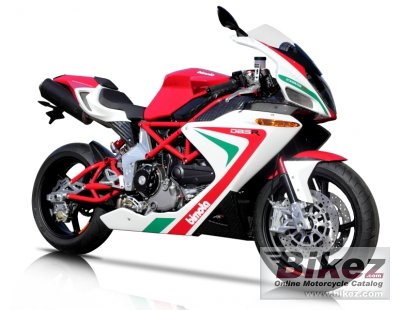
DB5 R
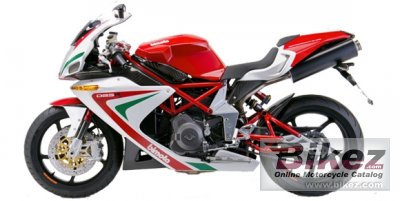
DB5 RE
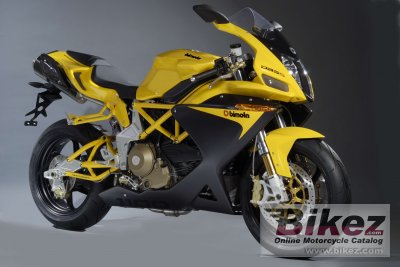
DB5 S
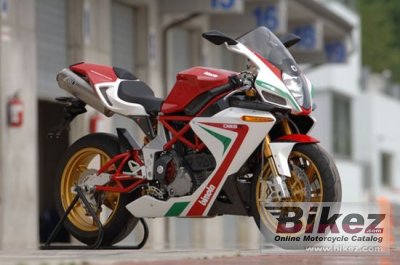
DB5R
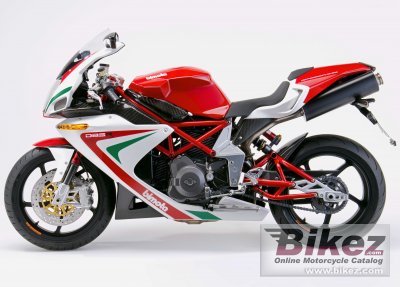
DB5R 1100
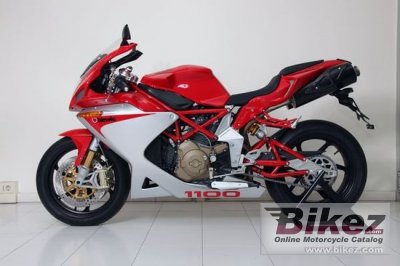
DB5S
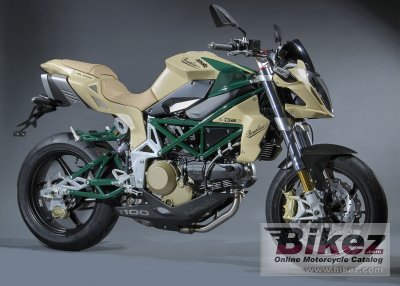
DB6 Borsalino
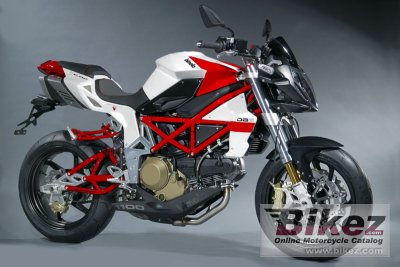
DB6 Delirio
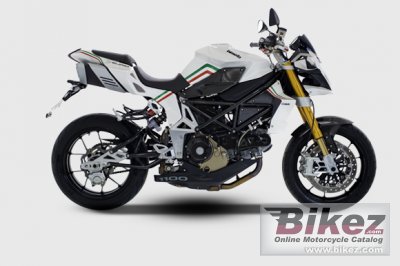
DB6 Delirio E
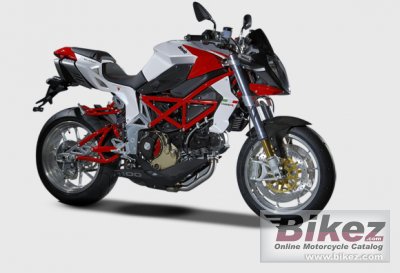
DB6 Delirio RE
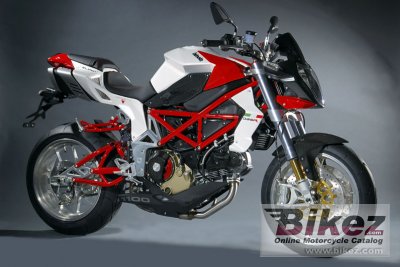
DB6 R
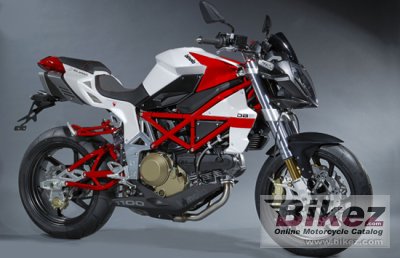
DB6R
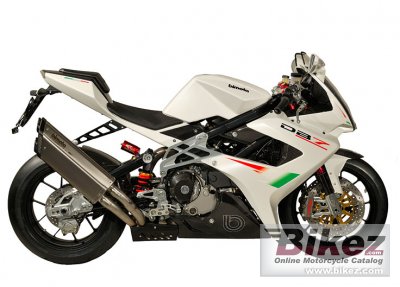
DB7
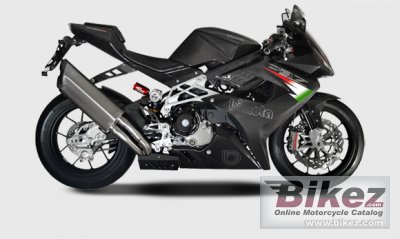
DB7 Oronero
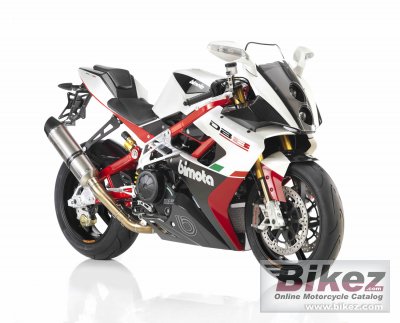
DB8
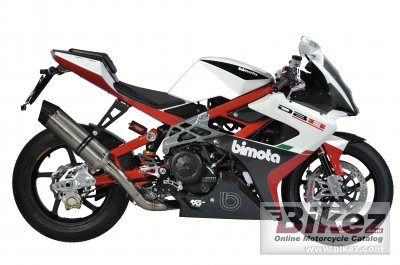
DB8 Biposto
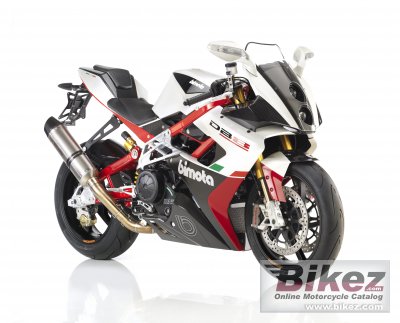
DB8 Italia
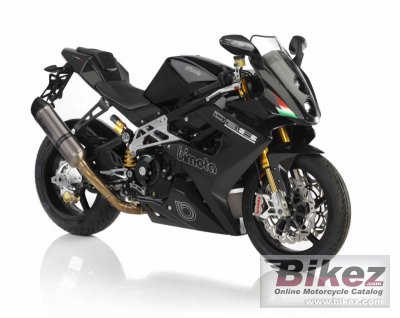
DB8 Oronero
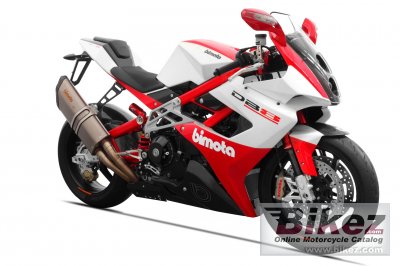
DB8 SP
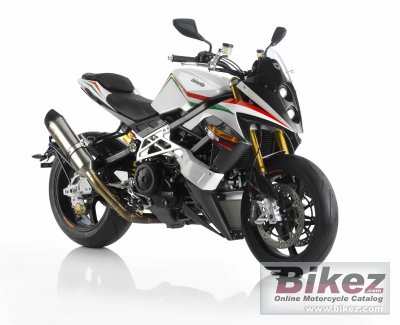
DB9
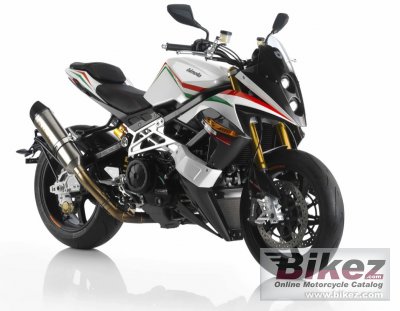
DB9 Brivido
DB9 Brivido S
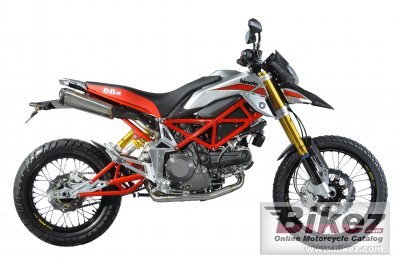
DBx
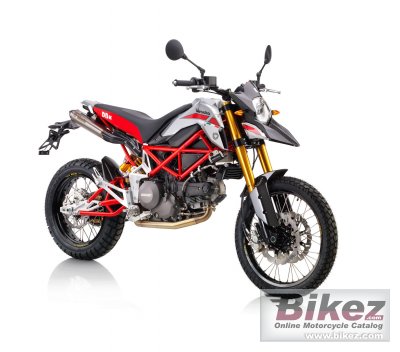
DBX
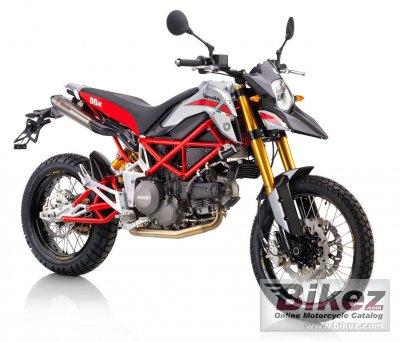
DBx 1100
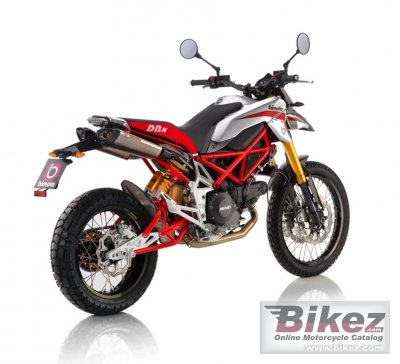
DBX 1100
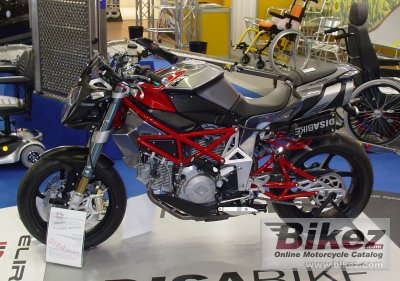
Disabike
H
T
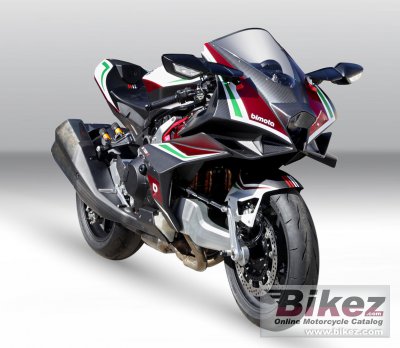
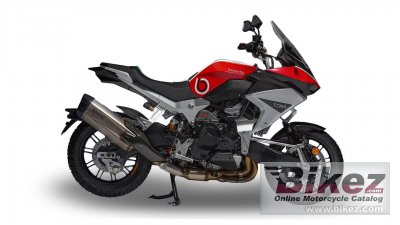
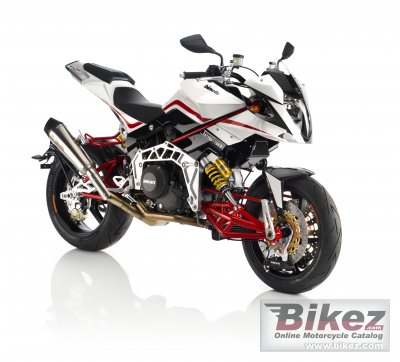
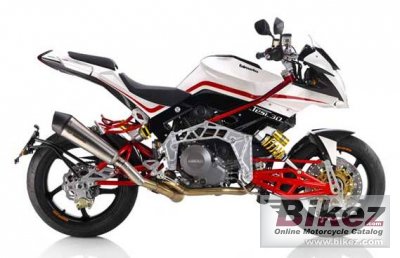
Advert with us!
Become a sponsor of the Bimota section in our catalog! We invite you to test rides and discussions about collaboration.
MoreBimota – Italian legend in the world of sport motorcycles
Bimota is a byword for precision, innovation and exclusive design in the sport motorcycle segment. This Italian brand has held a unique position on the market for years, offering enthusiasts models that combine advanced technology with top‑class hand craftsmanship. Bimota is more than just a name – it is a symbol of passion for motor vehicles and a relentless pursuit of perfection in every detail.
History of the Bimota brand – beginnings and vision
The Bimota brand was founded in 1973 by three motorcycle enthusiasts: Valerio Bianchi, Giuseppe Morri and Massimo Tamburini. The company name was created from the first letters of the founders’ surnames (BI, MO, TA). Their vision was to build sport motorcycles that would combine high performance with innovative frame design and modern styling. From the very beginning, Bimota stood out by using engines from proven manufacturers such as Yamaha, Honda and Suzuki, while designing its own unique chassis and components.
The founders focused on hand production and an individual approach to each motorcycle, which quickly earned the brand a reputation as a manufacturer of exclusive, limited‑series machines. From day one, Bimota was aimed at demanding customers looking for technically and aesthetically exceptional bikes.
Milestones and breakthrough moments
1960s–1970s
1966 – The First Revolution
- Bimota was founded in Rimini, Italy, as a manufacturer of air‑conditioning components and chassis for motorcycles intended for the racetrack.
- The first Bimota motorcycle was created as a “garage” project using a frame designed by Massimo Tamburini – a legendary figure and engineer.
1972 – HB1
- HB1, the first motorcycle created by legendary designer Massimo Tamburini, is considered the first hand‑built road‑going Bimota – only 10 examples were made.
1975 – SB1
- The first model powered by a Suzuki engine, commissioned by Suzuki Italia; this racing motorcycle used the TR500 power unit.
1977 – SB2
- The first street‑legal model with extremely advanced engineering and innovative solutions: fuel tank under the seat, short intake tracts, a carefully designed exhaust system and a rear mono‑shock suspension layout.
1977 – Swivelling Pivot (SB2)
- The SB2 introduced a groundbreaking layout with a swingarm pivot coaxial with the front sprocket, which minimized chain “snatch” under changing load.
- This solution reduced the tendency of the rear of the motorcycle to rise under acceleration.
1980s
1980 – Proof of the Supreme
- In 1980, with the KB1 and KB2, Bimota scored major racing successes – that year it won 3 of 5 rounds of the European TT F1 Championship, confirming the supreme performance of Bimota motorcycles.
1981 – KB2
- KB2, the second model with a Kawasaki engine, is regarded as one of the greatest classics in Bimota’s history.
1982 – Birth of the Tesi concept
- As a university student, Pierluigi Marconi designed a frameless chassis with hub‑centre steering as his graduation project.
- This concept became the starting point for Marconi’s collaboration with Bimota.
1982 – Hybrid frame (steel & aluminium) (HB2)
- HB2, designed by Tamburini, introduced a hybrid frame combining a steel trellis with a simple aluminium backbone.
- It was a breakthrough design and a milestone in Bimota engineering, later developed further in the KB999 Rimini model from 2025.
1983 – KB3
- The third Bimota model powered by a Kawasaki engine, equipped with the Z1000J power unit.
1983 – The baton passes to the next generation
- After Tamburini’s departure, young talent Federico Martini became chief designer.
- His DB1 (1985, the first model with a Ducati engine) and YB4 (1986, aluminium twin‑spar frame) brought Bimota even greater recognition.
1985 – Full covered bodywork (DB1)
- The fully enclosed fairing of the DB1, hiding the entire chassis, caused a sensation and set a trend widely copied by other motorcycle manufacturers.
1986 – Top of the World (YB4)
- The YB4, powered by the FZ750 engine and ridden by Virginio Ferrari, won the TT‑F1 World Championship in 1987, taking seven wins from seven races.
1986 – Aluminium alloy twin‑spar frame (YB4)
- Bimota’s first aluminium twin‑spar frame, made from aerospace‑grade materials and designed by Martini, made this TT‑F1 world title possible.
1987 – SBoR
- A model with a unique aluminium‑carbon composite frame and a 995 cc Suzuki engine, campaigned in WorldSBK by Anthony Gobert.
1988 – YB4 E.I.
- The street‑legal version of the world‑championship‑winning YB4, equipped with advanced electronic fuel injection and multiple sensors for precise control.
1988 – Eccentric‑type monoshock (YB10)
- An eccentric mounting point for the rear shock allowed adjustment of ride height and rear‑end geometry without changing spring rate.
1989 – Marconi era begins
- Pierluigi Marconi became Bimota’s new technical director, ushering in a series of sensational motorcycles.
1990s
1991 – Tesi 1D 851
- The first production model using the Tesi system from 1990 achieved worldwide success; its innovative engineering made Marconi’s name known across the globe.
1993 – DB2
- A model with an air‑cooled Ducati L‑twin engine that remains a favourite among brand enthusiasts.
1994 – SB6
- An innovative design featuring a 1,074 cc liquid‑cooled Suzuki engine and a straight aluminium frame.
- The SB6 became the best‑selling model in Bimota’s history.
1995 – BB1
- Bimota’s first motorcycle with a BMW (Rotax) engine, developed for the popular European single‑cylinder Euro Supertwin single‑sport racing series.
1997 – SB8R
- A motorcycle with a unique aluminium‑carbon composite frame and Suzuki TL1000R engine.
- Raced in WorldSBK by Anthony Gobert.
1997 – 500V due
- The first model in which both frame and engine were created by Bimota.
- A 500 cc two‑stroke V‑twin with direct fuel injection, delivering clean, strong performance.
2000 – SB8K
- A “wild card” appearance at the WorldSBK round at Phillip Island – Anthony Gobert won the race on the SB8K, showcasing the bike’s outstanding performance.
2000–2010
2005 – DB5
- Powered by a 992 cc air‑cooled Ducati L‑twin sport engine, the DB5 is regarded as the spiritual successor to the iconic DB1.
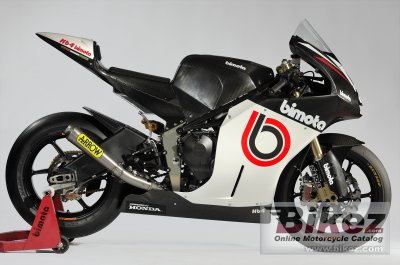
2010 – HB4
- A motorcycle developed for the Moto2 class in MotoGP, featuring a distinctive double‑sided swingarm and an aluminium tubular frame.
- Technical project by Andrea Acquaviva.
2010s
2013 – Tesi 3D Naked
- The first naked Tesi, with a lightweight chromoly steel frame and swingarm, powered by an air‑cooled 1,078 cc Ducati L‑twin.
- A blend of raw styling and Bimota character.
2013 – DBX
- Bimota’s first off‑road model, based on the DB10 motard and powered by a 1,078 cc Ducati L‑twin.
2014 – BB3
- A motorcycle developed for WorldSBK, using a 998 cc inline‑four BMW engine; despite EVO‑class regulations, Bimota fielded two bikes that occasionally outpaced factory machines in the open class.
2019–2025 (Kawasaki era / new Tesi)
2019 – Tesi H2: The Revolution Continues
- At the EICMA show, Bimota announced a capital partnership with Kawasaki and unveiled the Tesi H2 – a 200‑unit limited‑edition model combining the supercharged Ninja H2 engine with the iconic Tesi chassis.
- This marked the beginning of a partnership that harnesses Kawasaki power and Bimota suspension engineering.
2019 – Tesi for supercharged engine (Technology)
- A new‑generation Tesi system designed to handle the output of Kawasaki’s supercharged engine, producing up to 178 kW (242 hp).
- To increase stiffness, the design uses aerospace‑grade aluminium components with EREP bearing seats and carbon‑fibre joints, while keeping weight low.
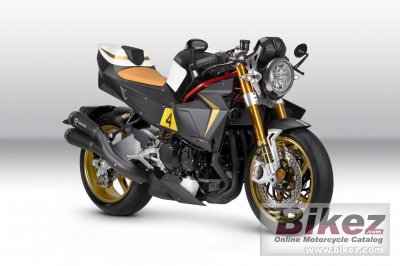
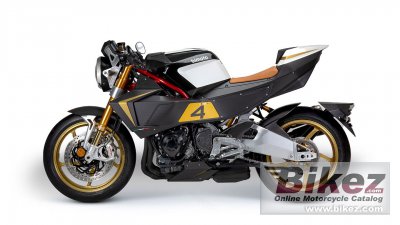
2020 – KB4: Vintage Inspired
- The KB4 uses a Ninja 1000 engine in a compact chassis with the proportions of a 600 cc bike.
- The model refreshes the classic style of the KB series, combining it with Bimota’s racing spirit.
2020 – Rear radiator layout (Technology)
- Placing the radiator under the seat moves the cooling air intake to the front of the motorcycle, allowing the engine to be shifted further forward and the wheelbase to be shortened.
- This solution delivers agile handling in urban traffic.
2023 – BX450: Ready to Get Muddy
- The BX450, developed from a motocross model, brings Bimota into the enduro world as a factory‑type machine with road homologation.
- Created in cooperation with Kawasaki, it offers extreme off‑road performance in various configurations, from rally to enduro.
2024 – KB4RC: Racing Freedom
- The KB4RC was designed to deliver a sense of freedom and racing excitement, continuing the KB4 line in a more track‑focused guise.
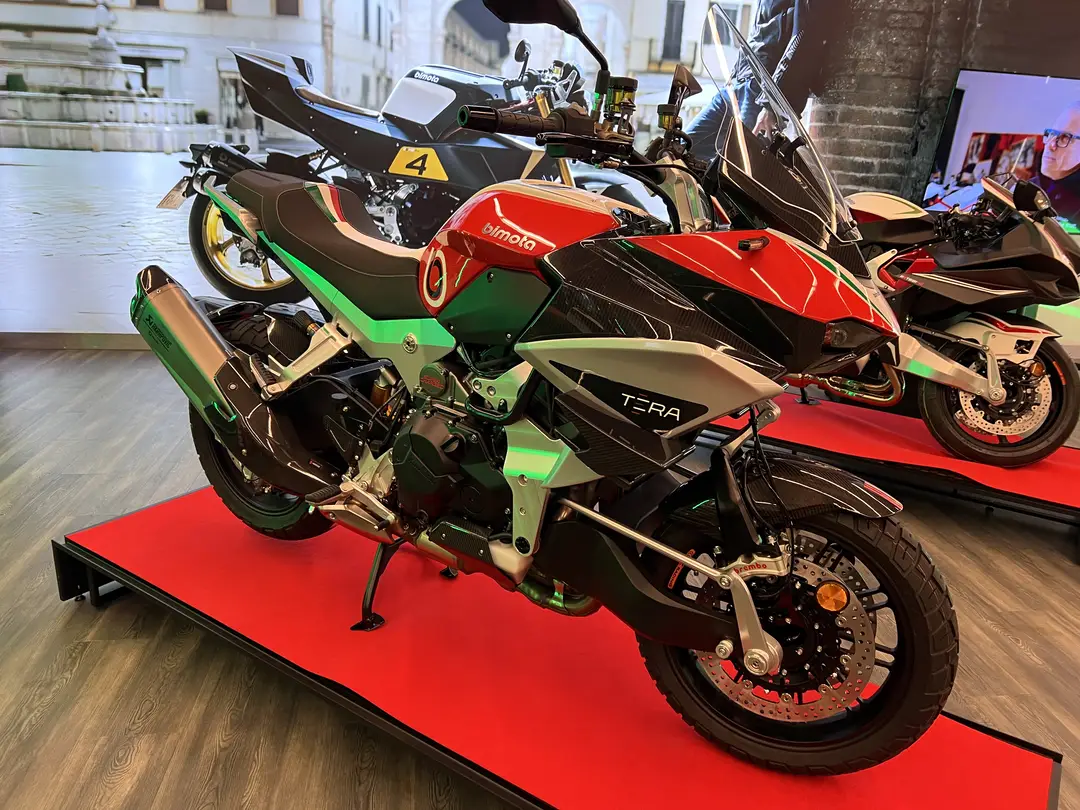
2024 – Tesi H2 TERA: Crossover Revolution
- Tesi H2 TERA is Bimota’s first crossover, equipped with the latest TERA suspension system – a central steering layout for improved handling and comfort.
- The model combines the advantages of a touring motorcycle with the supercharged H2 engine.
2024 – New Tesi system: TERA (Technology)
- The evolution of the TERA system is defined by a simplified arrangement of links, swingarms and wheels, fewer moving parts and lower mass.
- It offers superbike‑level reliability with a steering angle of 35°, comparable to that of small‑capacity machines.
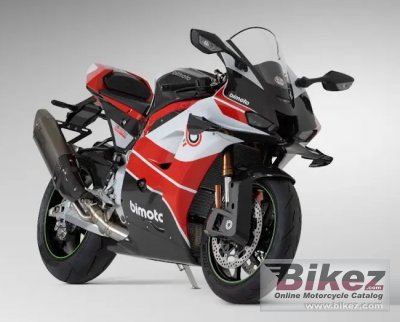
2025 – KB999 Rimini: Racing Revolution
- The KB999 Rimini is a WorldSBK‑homologated version – the pinnacle of Bimota’s production line‑up.
- It combines a characteristic twin‑spar frame with aluminium plates and an engine based on the multiple‑race‑winning Kawasaki ZX‑10RR.
2025 – Variable winglet (Technology)
- Bimota introduces active aerodynamic winglets that change their angle during acceleration and braking, improving lap times by increasing front‑wheel grip.
Modern times and the future – current position and innovations
Today, Bimota remains a niche yet highly respected brand in the world of sport and collectible motorcycles. The company continues its tradition of hand‑built production and the use of cutting‑edge technologies such as carbon fibre, titanium and innovative suspension solutions. Bimota models stand out not only for their distinctive style but also for outstanding riding dynamics and meticulous build precision.
Modern Bimota motorcycles are a hybrid of classic and contemporary – they combine engines from renowned manufacturers with advanced chassis and electronic systems that enhance safety and riding comfort. The brand is also investing in the development of eco‑friendly technologies, preparing for a future in which electromobility will play an increasingly important role.
Bimota is constantly seeking innovations that will help it maintain its position as a leader in the luxury sport motorcycle segment. Thanks to its unique approach to design and production, the brand has gained a loyal worldwide fanbase and the status of an icon of Italian motorcycle craftsmanship.