In today's digital age, purchasing a used vehicle requires more than just a keen eye; it demands thorough background checks to ensure you're making a wise investment. This is where VIN checks and vehicle history reports come into play, offering a window into the car's past, from service records to accident history. Such insights are invaluable, helping potential buyers steer clear of bad deals and unsafe vehicles. In our comprehensive guide, we delve into the significance of these tools and spotlight the top three services that excel in providing detailed, reliable information, making your car buying journey both informed and secure.
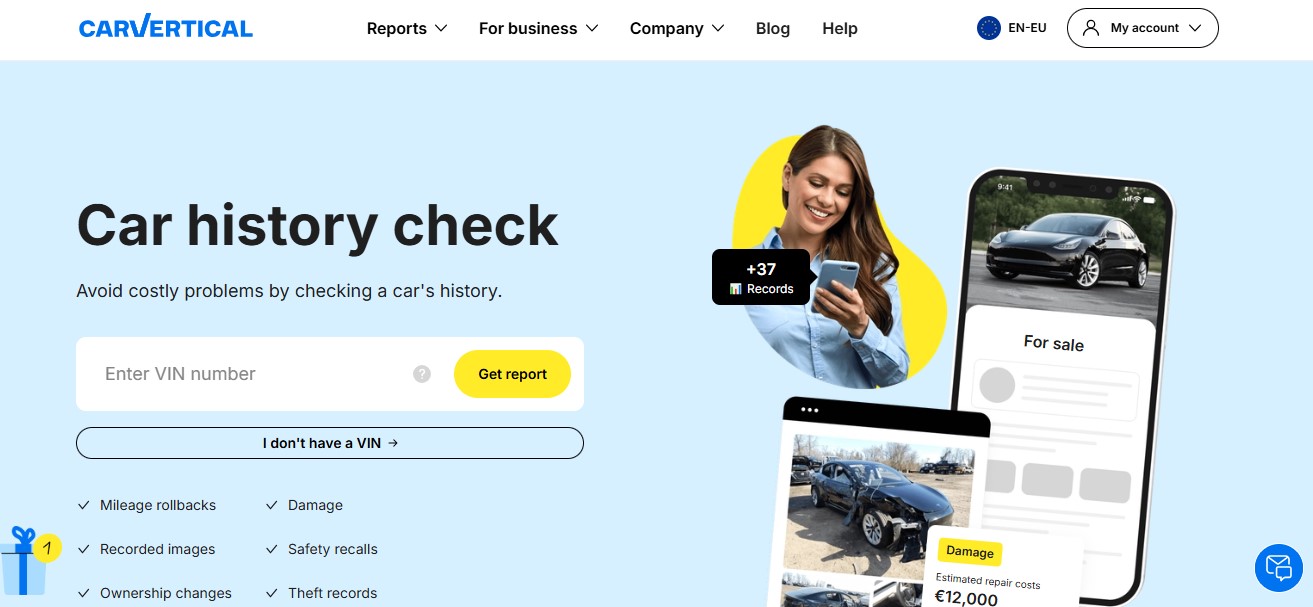
What sets CarVertical apart from the rest of this list is how it handles the data itself: every
report is written to the blockchain, so once a vehicle's history is recorded, it can't be quietly
edited or deleted later — a real safeguard against the kind of "cleaned up" history that odometer
fraud and hidden accident repairs rely on. That mileage-verification angle is where CarVertical
really earns its spot: it cross-checks odometer readings recorded at different points in a car's
life (inspections, sales listings, service visits) to flag rollbacks, which remain one of the most
common and hardest-to-spot forms of used-car fraud.
Coverage spans a wide range of European markets plus the US, pulling from insurers, leasing
companies, police and customs registers, and dealer networks, so it's a solid first check whether
you're looking at a car that's spent its life in one country or crossed several borders. Pricing
is fixed and becomes noticeably cheaper if you buy reports in a package rather than one at a time
— useful if you're comparing several cars before deciding. The one honest downside carried over
from before: like AutoDNA, CarVertical won't show you what's actually inside the report before you
pay for it, so you're buying on trust in the brand rather than a preview.
The leader among history check sites vehicle history. Its position is mainly due to its rich
collection of data and the ease of use of the service. The reports are detailed
and, unlike others, provides information about what the report will contain before you buy it. The
company offers its reports in lot of European Union countries. A very rich collection of data from
both Europe and the US. They offer accurate service data of many concerns - VAG
group, Fiat, Toyota, Mercedes. Definitely worth checking out! Recently, they have also offered the
vehicle history by registration number.
This is another platform where you can check the history of a vehicle. This site provides
detailed reports on the vehicle's history, which are easy to understand even for beginners. It is
distinguished by the low price which can be lower when you buy in package. Site is
available in more than 20 languages, even in Arabic.
This is a popular service that, in addition to the historical vehicle history, also provides
information about the market value of the vehicle, which can be useful in price negotiations. A
possible drawback could be the outdated design of the website and the reports. An advantage is
that it shows what you will find in the report, but a disadvantage is the high price.
5. Carfax
Carfax is a leading provider of vehicle history reports, primarily serving the U.S. market. The
service offers detailed insights into a car's past, including accident history, service records,
and odometer readings. While Carfax reports are known for their reliability, they tend to be
priced higher compared to competitors.
Are these VIN check sites officially approved?
In the US, vehicle history data doesn't just come from a private database — it's tied to NMVTIS
(the National Motor Vehicle Title Information System), a federal program run
under the U.S. Department of Justice. NMVTIS pulls title, salvage, and total-loss records from
state DMVs and insurers, and only a limited number of approved data providers are allowed to
resell that information in their reports. Carfax and AutoDNA both draw on NMVTIS-linked data for
their US-market reports, which is one reason their total-loss and salvage-title flags carry extra
weight for American buyers.
It's worth being upfront about scope, though:
VIN-info.eu,
Automoli.com,
and
CarVertical
are built around European and international vehicle registries rather than the US system — so
NMVTIS approval isn't the right yardstick for them at all. If you're buying a car with US title
history, prioritize a report source in the NMVTIS network; if you're checking a vehicle registered
in the EU, the NMVTIS badge simply isn't relevant, and a European-focused provider will actually
have better coverage.
One thing to watch for either way: a report flagging insurance total-loss status is one of the
strongest signals you can get — it means an insurer once wrote the car off, regardless of how
clean it looks now.
What can you learn from the vehicle history report?
The vehicle history report is an essential document at buying a used car or motorcycle, providing
the potential buyer a wealth of important technical information and data about the history of the
vehicle in question. It may contain information about the vehicle's mileage, any collisions or
accidents it has been involved in, technical inspections and any repairs or modifications.
In addition, the report may provide information on the number of previous owners, whether the
vehicle has ever been used as a service or rental vehicle. Find out, any liens or debts associated
with the vehicle. All this information can be extremely valuable as it helps assess the technical
condition of the vehicle, its credibility and whether the price is appropriate to its value and
history. By report, the buyer can avoid buying a vehicle with defects hidden defects or problems
that could later lead to high costs repair costs or even pose a safety hazard.
Mileage information
Vehicle mileage plays a key role in assessing its condition technical condition and value.
Mileage history can reveal whether the odometer has been rolled back, which unfortunately is
happens to increase the value of the vehicle. Records regular odometer readings on various
occasions such as inspections or servicing, allow the actual use of the vehicle over time.
Repair history
will tell you if the car has been badly damaged in the past, what repairs have been carried out,
if any parts have been replaced such as the engine or gearbox.
Owner information
Information about previous owners, such as their number or length of ownership of the vehicle,
can provide clues as to how how the vehicle was operated. Frequent change of owners can be a sign
of potential problems with the vehicle over time a vehicle in the hands of one owner for a long
may suggest regular maintenance and care for the vehicle. technical condition.
Accident
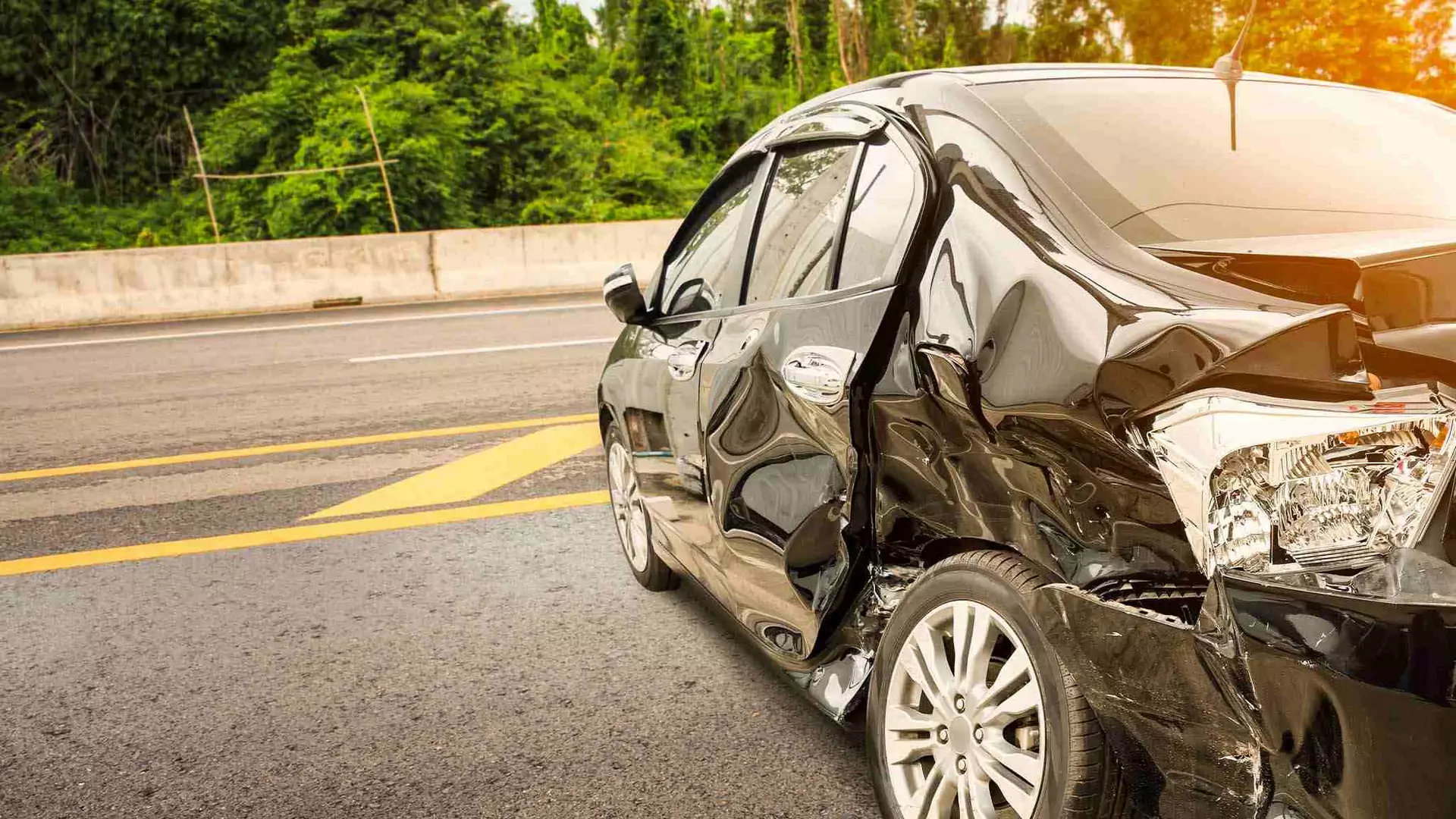
This section contains information about any collisions, accidents or damage the vehicle has
suffered in the past. Data detailed repair and damage data may indicate structural problems or
hidden defects, which may affect safety and vehicle performance.
Stolen vehicle databases
Checking the vehicle against stolen vehicle databases is essential to avoid the purchase of
property obtained illegally. Vehicles that have been previously stolen and then recovered, may
have hidden defects or may be seized by the authorities. law enforcement, exposing the buyer to
financial loss.
Technical data
This section provides information on vehicle specifications, such as engine type, capacity, fuel
type, year of manufacture or additional equipment. It allows full understanding of the model's
capabilities and limitations and to compare the vehicle offered with other versions available on
the market.
How to use these sites?
Checking the vehicle history on these sites is simple. Just enter the VIN number or number plate
in the appropriate field, and then pay for the service. At minutes, you'll receive a full report.
Why you should check VIN before buying your car?
Time and money savings
Checking a vehicle's VIN (Vehicle Identification Number) before purchase is crucial for several
reasons, notably for saving time, money, and ensuring safety.
Here's why it's a step you shouldn't skip: Firstly,
verifying a car's VIN can save you a significant amount of time and money.
Without leaving your home, you can discover if a vehicle is even worth considering. Sometimes, the
car you're interested in might be located dozens or even hundreds of kilometers away.
By checking the VIN first, you can avoid the time and expense of traveling to see a vehicle that doesn't meet your criteria.
This preliminary step is a convenient way to narrow down your options to those truly worth
pursuing.
Financial Prudence
Secondly, checking the VIN can also save you money in the long run. A vehicle that hasn't been
serviced regularly may require expensive repairs down the line.
Many vehicle history reports include service records, showing what maintenance has been performed and when.
This allows you to see what components might need to be replaced soon, based on both time and
mileage. Armed with this information, you can ask the seller for maintenance receipts to verify
the car's service history. Ensuring the vehicle has been well-maintained can prevent unforeseen
expenses after your purchase.
Safety Assurance
Third, and equally important, is the aspect of safety. Driving a car that has
previously been declared a total loss in countries like Germany or USA, but then
repaired and sold in Bulgaria as accident-free, poses a significant risk. This is a scenario you,
your children, or any close ones should never face. The safety compromise in such vehicles is not
worth the risk. By checking the VIN, you can uncover a vehicle's full history, including any total
loss declarations, to ensure you're not putting your loved ones in danger.
Conclusion: The First Step in a Comprehensive Evaluation
In conclusion, obtaining a vehicle history report or decoding the VIN is an essential first step
in the process of purchasing a used vehicle. It provides a wealth of information that can save
time, ensure financial wisdom, and safeguard the safety of you and your loved ones. However, it's
important to remember that like any system, VIN decoding and history reports are not infallible.
They provide a solid foundation of knowledge but cannot guarantee the mechanical integrity of a
vehicle.
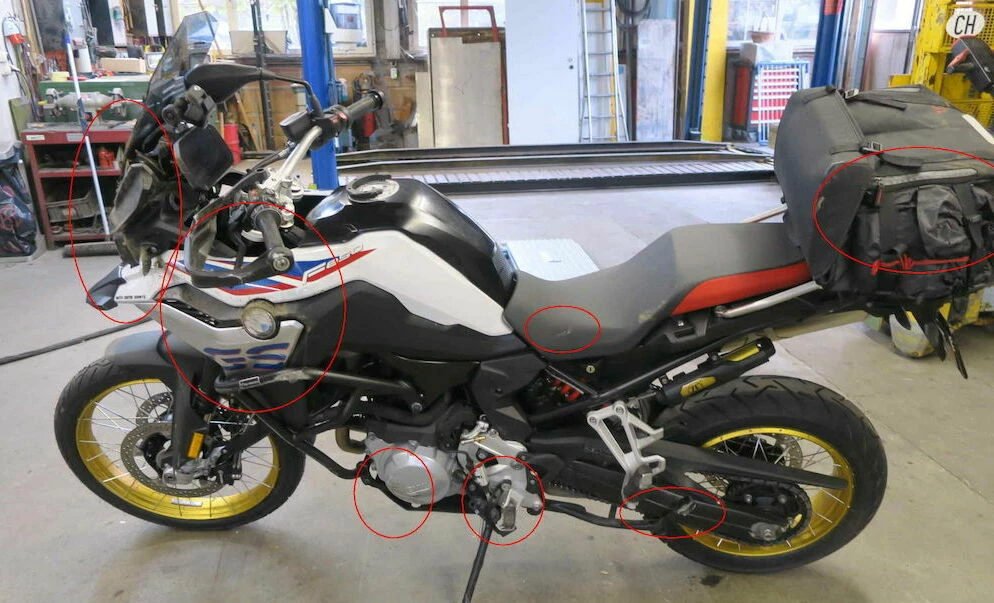
Therefore, we strongly recommend taking any car or motorcycle you're considering buying to a
trusted mechanic for a thorough inspection. This additional step can confirm the vehicle's
condition and help solidify your decision, ensuring that your future vehicle is as reliable and
safe as the report suggests. Trusting a professional mechanic's evaluation complements the
insights gained from the VIN report, offering you the best chance of making a well-informed and
confident purchase.