Motorcycle Catalog Seat
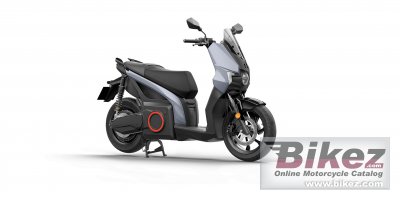
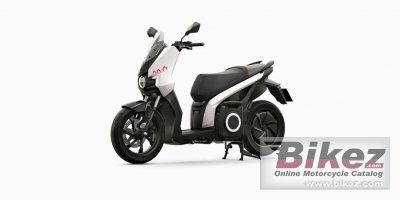
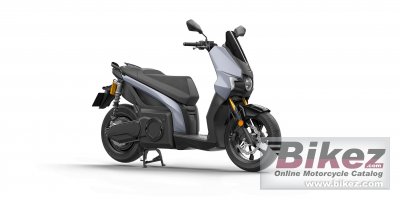
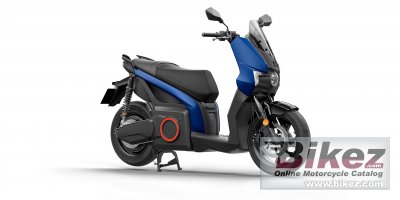
Advert with us!
Become a sponsor of the Seat section in our catalog! We invite you to test rides and discussions about collaboration.
MoreSeat – Spanish Motorcycle Brand Driven by Innovation Passion
Seat is a brand primarily recognized by many automotive enthusiasts for its cars; however, its history and operations also encompass the motorcycle segment. As a Spanish manufacturer deeply rooted in both tradition and modernity, Seat stands out in the motorcycle market by combining robust engineering, dynamic design, and advanced technologies. The brand focuses on developing innovative solutions that meet the needs of contemporary two-wheeler users while honoring its rich heritage.
Seat Brand History – Origins and Vision
The Seat brand was established in 1950 in Spain with the aim of creating a national vehicle manufacturer to address the growing demand for mobility in post-war Europe. The company's initial efforts were primarily focused on car production, but soon it began exploring the motorcycle market, recognizing its growth potential and the opportunity to expand its product range. Seat’s vision was based on blending practicality with innovation, making two-wheelers accessible and appealing to a wide audience—from urban commuters to sports riding enthusiasts.
Seat quickly earned a reputation for high-quality craftsmanship and the use of modern manufacturing technologies, which helped the brand strengthen its position in the domestic market and later across Europe. Collaborations with other manufacturers, along with continuous investments in research and development, enabled Seat to launch motorcycles that combined reliability with attractive design.
Milestones and Breakthrough Moments of Seat
- 1950: Founding of the Seat brand and commencement of vehicle production.
- 1960s: First prototypes and commercial motorcycle models that gained recognition in the Spanish market.
- 1970: Introduction of innovative technical solutions, such as modern engines with increased power and fuel efficiency.
- 1980s: Expansion of the lineup to include sport and touring motorcycles, enabling the brand to compete internationally.
- 1990: Technological collaboration with global manufacturers, resulting in the introduction of advanced safety systems and onboard electronics.
- 2000: Launch of urban motorcycles and scooters segment models, responding to the rising demand for eco-friendly and economical transportation.
- 2015: Integration of advanced rider assistance systems such as ABS and traction control across the entire motorcycle range.
- 2020 and beyond: Focus on electrification and sustainable development, introducing the first electric two-wheeler models.
Modern Era and the Future of Seat
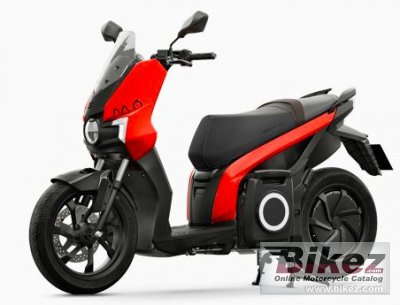
Today, Seat is a brand that continuously evolves by merging its rich legacy with the latest technological trends. In the motorcycle segment, the company prioritizes the development of sustainable and intelligent solutions that address environmental challenges and the growing expectations of users. Seat invests in electric technologies, offering electric-powered motorcycles and scooters that deliver not only attractive styling but also excellent operational and ecological performance.
The brand actively participates in road safety initiatives by introducing modern driver assistance systems and developing smart communication solutions. Seat strives to be a leader in innovation within the urban and sport motorcycle segments, providing products that are not only functional but also meet the highest standards of quality and design.
The future of Seat in the motorcycle arena appears dynamic and full of challenges, with a strong emphasis on electromobility, digitalization, and personalized user experiences. Thanks to a consistent development strategy and attention to detail, Seat maintains its position as a brand valued by both two-wheeler enthusiasts and discerning customers seeking modern and reliable solutions.