Motorcycle Catalog Vespa
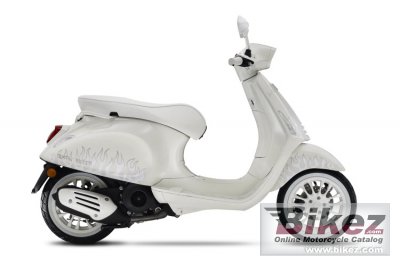
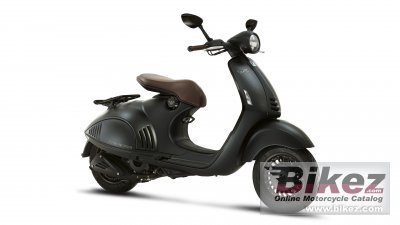
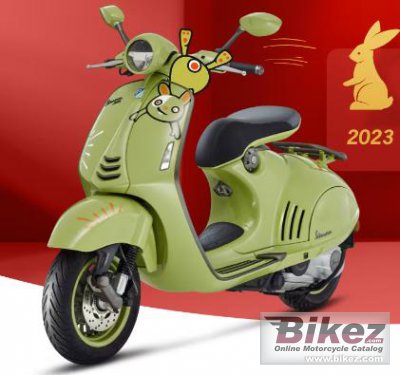
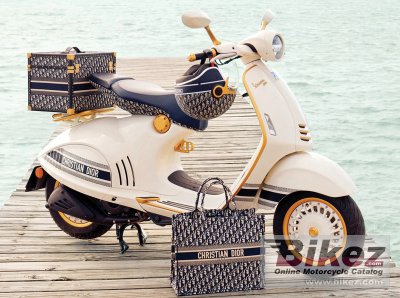
E
G
Granturismo
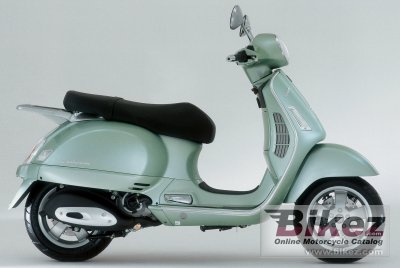
Granturismo 125 L
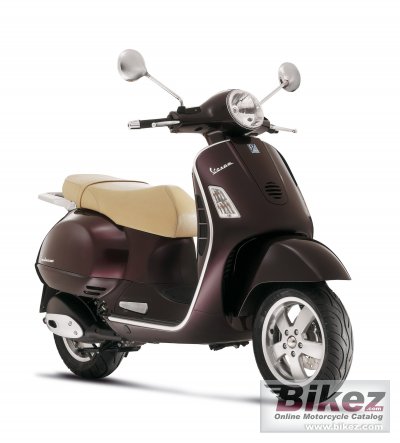
Granturismo 125L
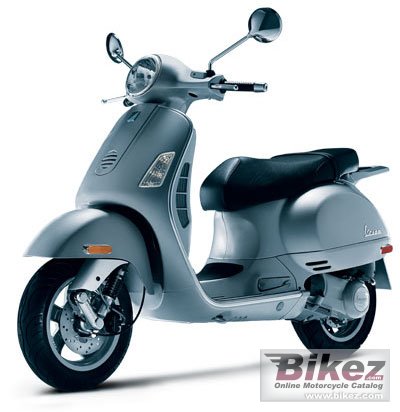
Granturismo 200
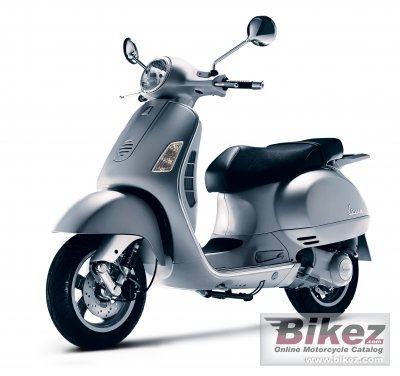
Granturismo 200 L
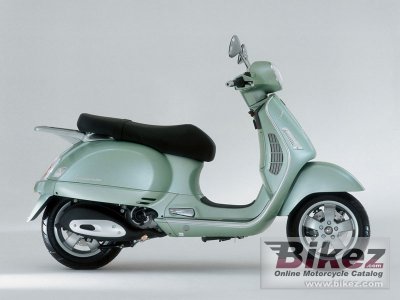
Granturismo GT 125L
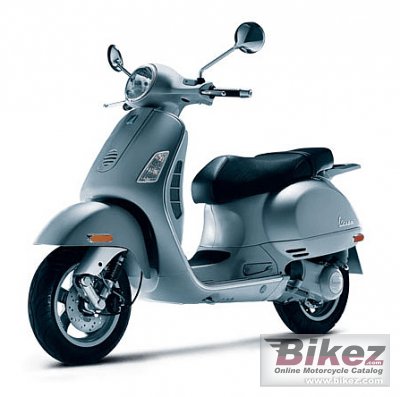
GT 200
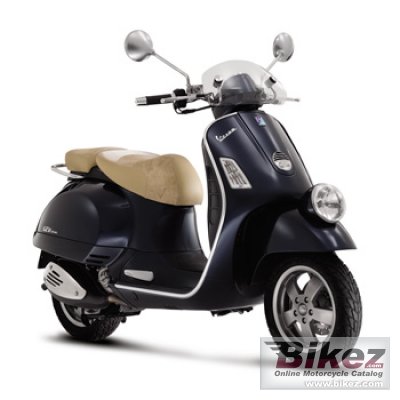
GT Navy 125
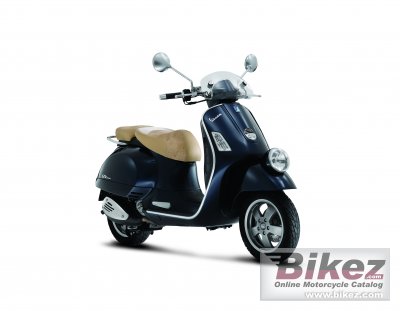
GT Navy 250
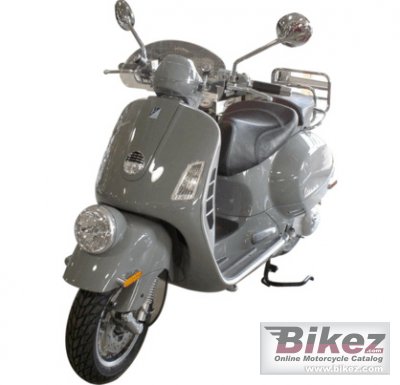
GT60
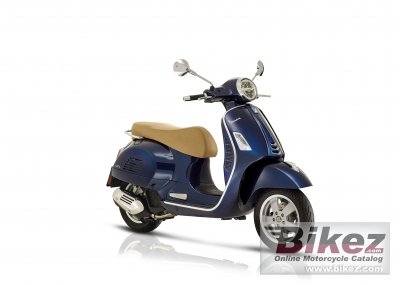
GTS
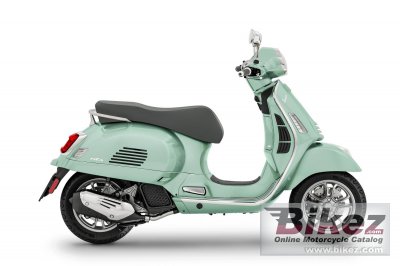
GTS 125
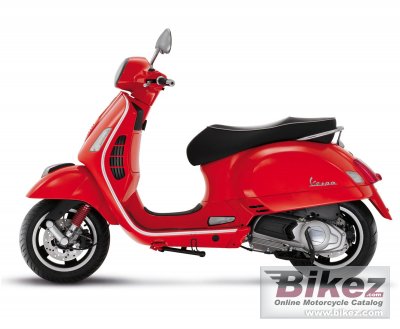
GTS 125 Super
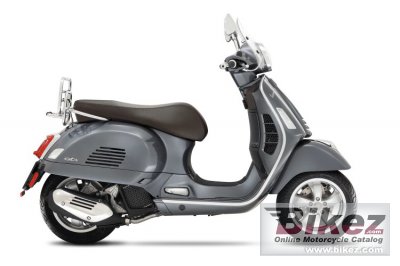
GTS 125 Touring
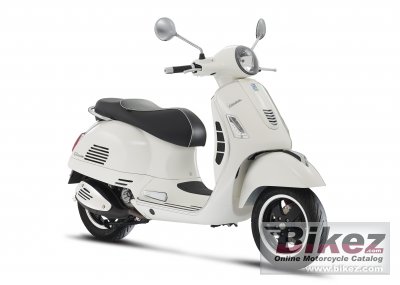
GTS 125ie Super
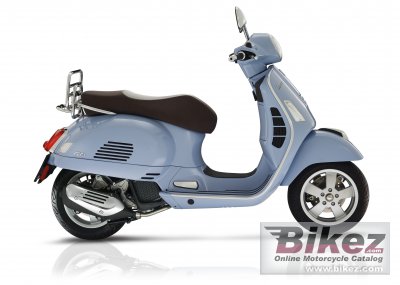
GTS 150
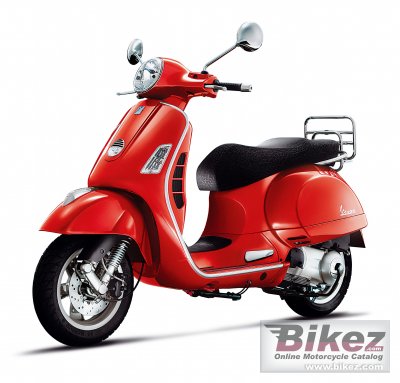
GTS 250
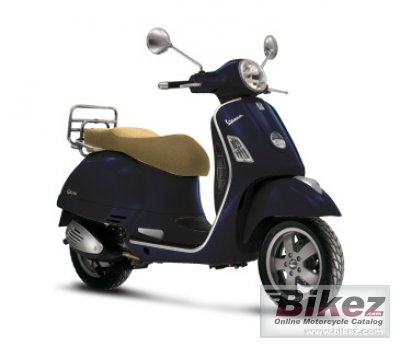
GTS 250 i.e.
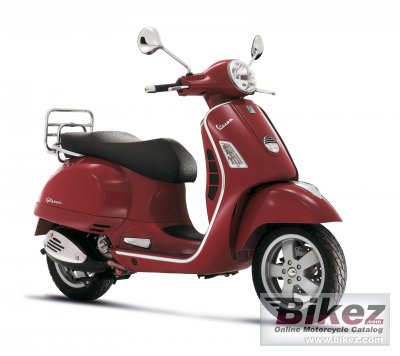
GTS 250 I.E.
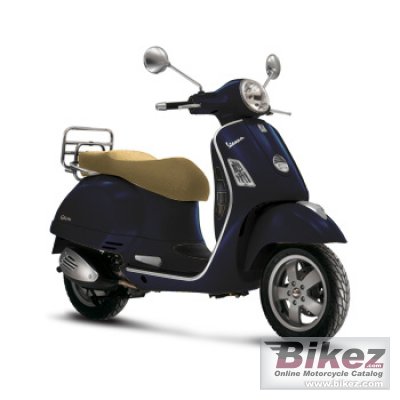
GTS 250ie
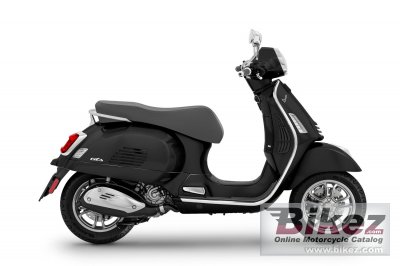
GTS 300
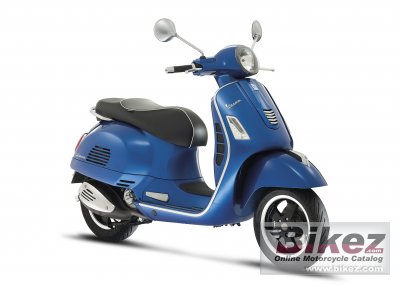
GTS 300 Super
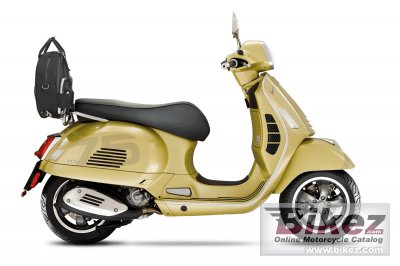
GTS 300 75th
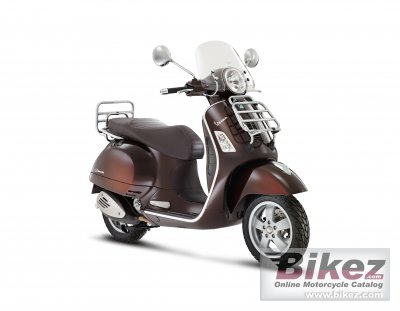
GTS 300 IE
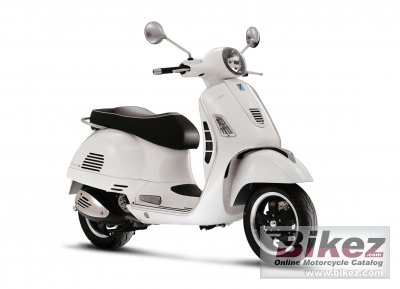
GTS 300 IE Super
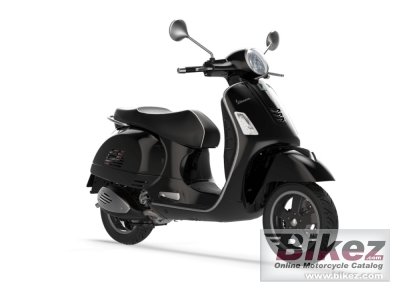
GTS 300 Super
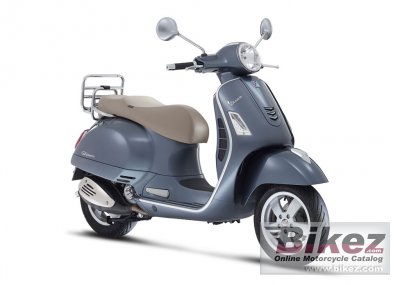
GTS 300 Super Sport
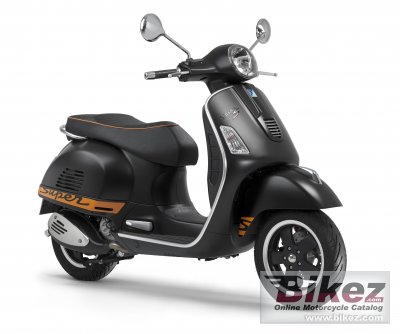
GTS 300 Super Sport SE
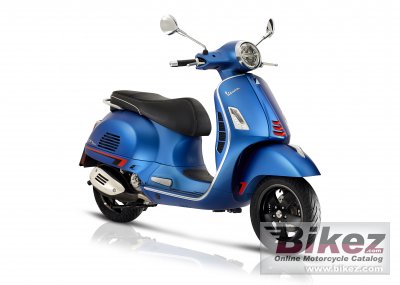
GTS 300 SuperSport
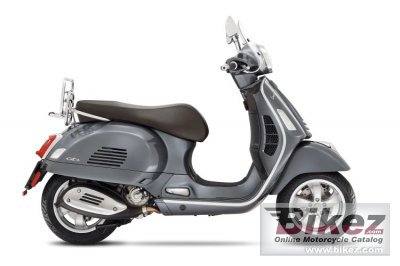
GTS 300 Touring
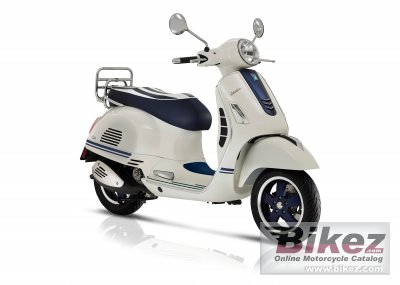
GTS 300 Yacht Club
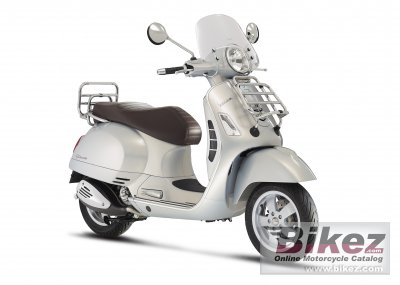
GTS 300ie Touring
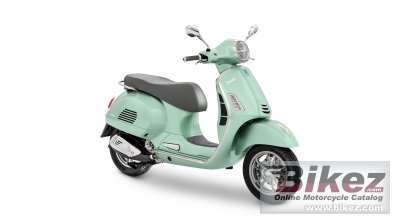
GTS 310
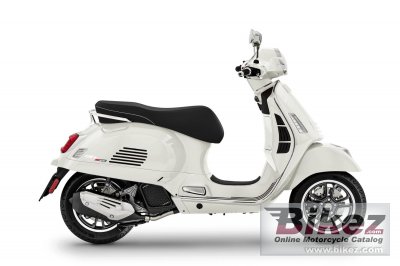
GTS Super 125
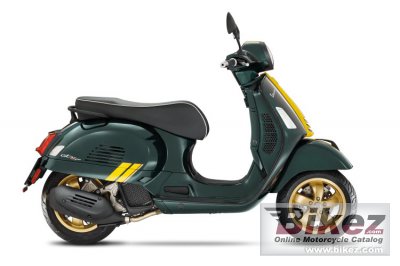
GTS Super 125 Racing Sixties
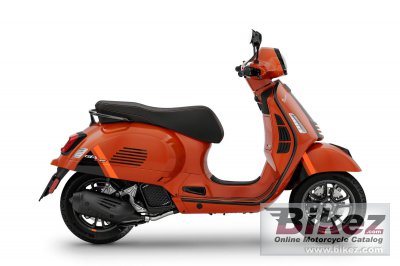
GTS Super 125 Sport
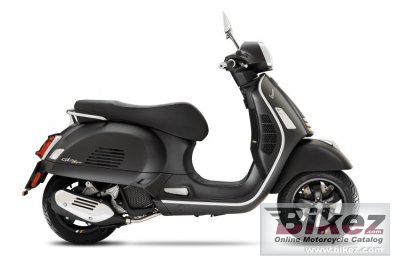
GTS Super 125 Tech
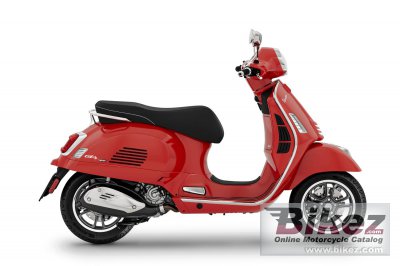
GTS Super 300
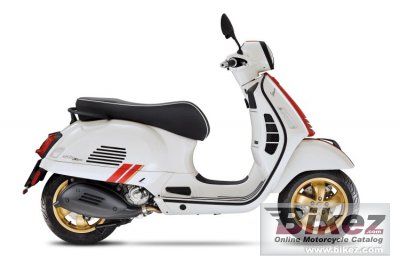
GTS Super 300 Racing Sixties
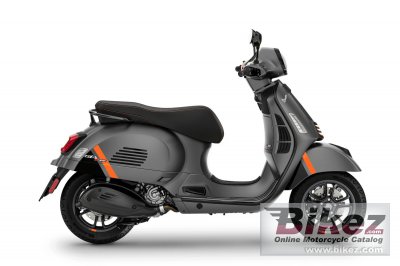
GTS Super 300 Sport
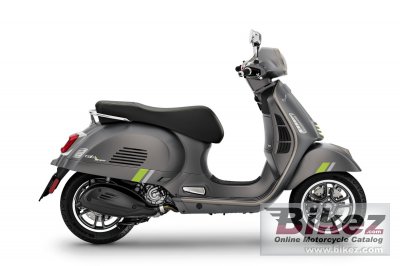
GTS Super 300 Tech
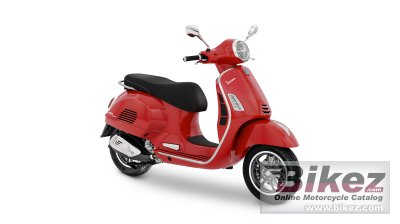
GTS Super 310
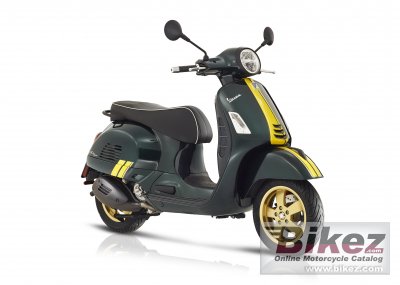
GTS Super Racing Sixties
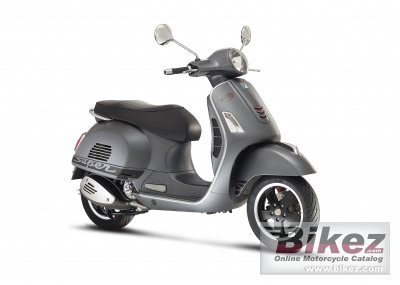
GTS SuperSport
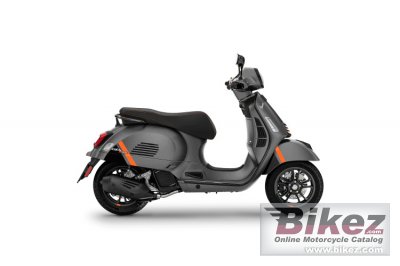
GTS SuperSport 125
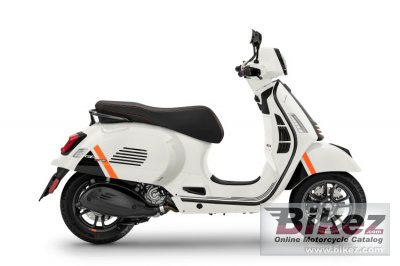
GTS SuperSport 300
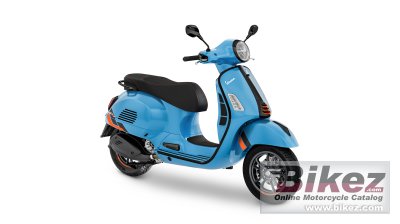
GTS SuperSport 310
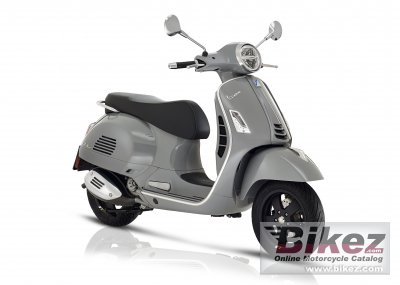
GTS SuperTech
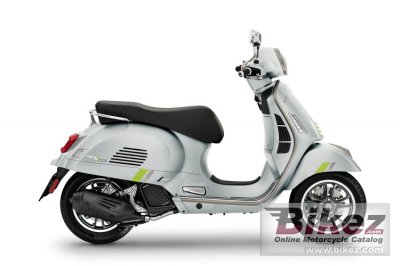
GTS SuperTech 125
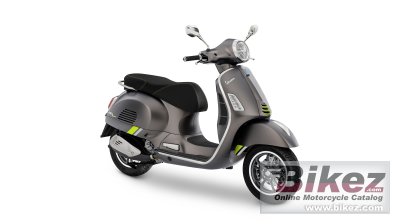
GTS SuperTech 300
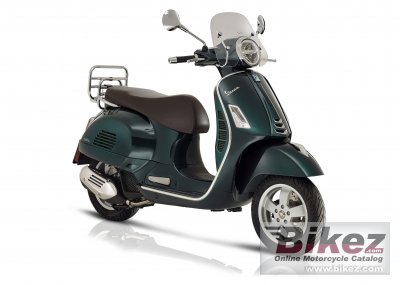
GTS Touring 300
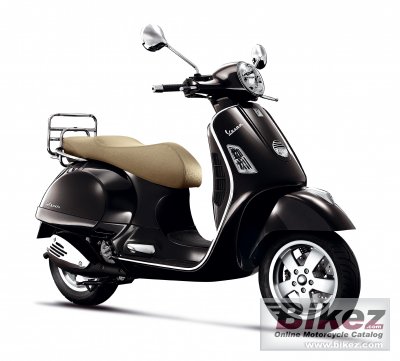
GTS250 i.e ABS

GTS250ie
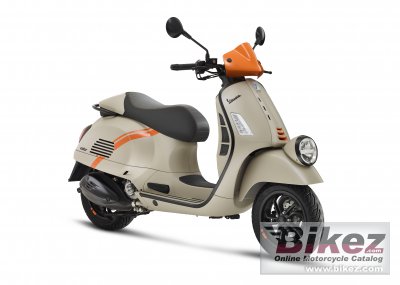
GTV
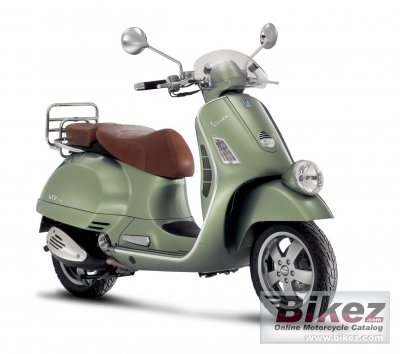
GTV 125
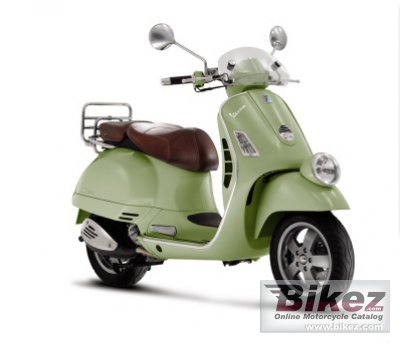
GTV 250
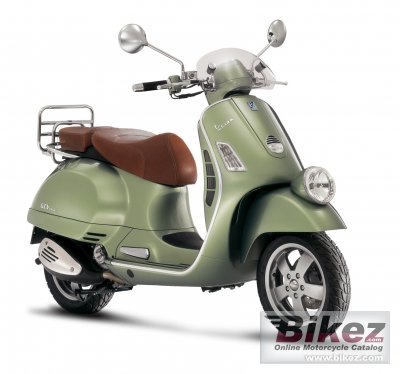
GTV 250 ie
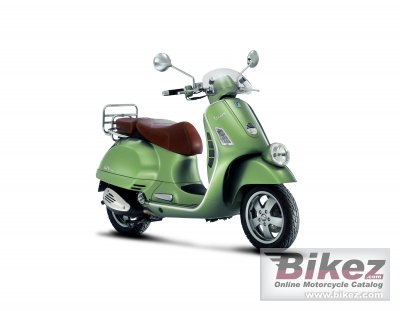
GTV 250ie
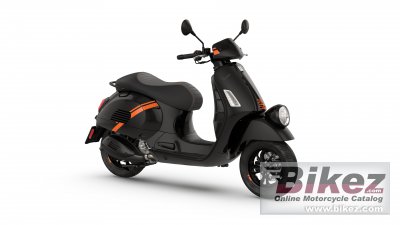
GTV 300
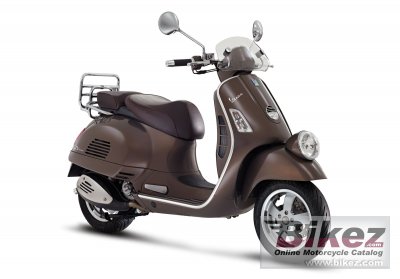
GTV 300 IE
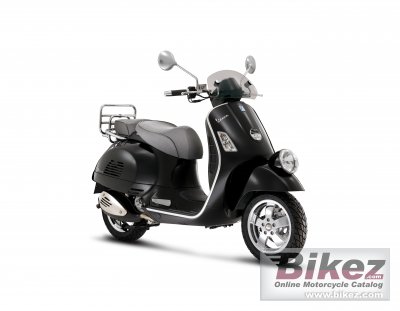
GTV 300ie Via Montenapoleane
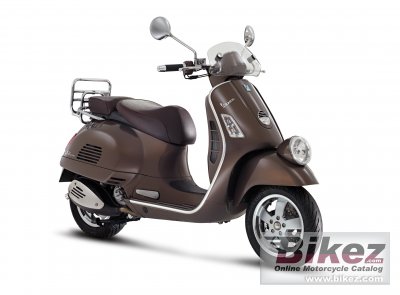
GTV Vie Della Moda
L

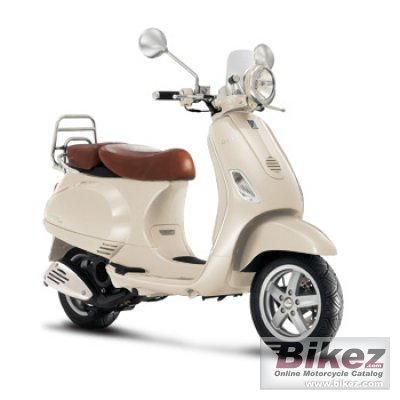
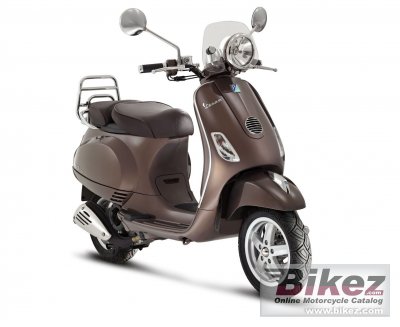
P
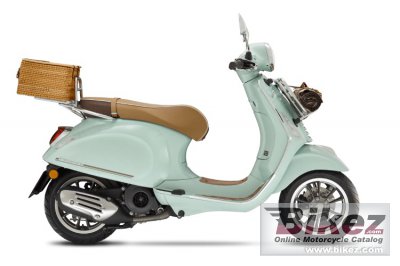
Pic Nic 125
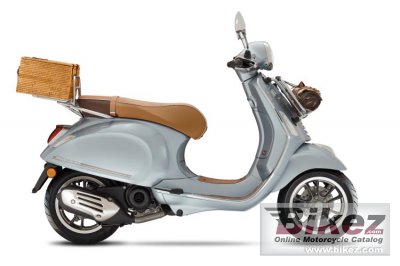
Pic Nic 50
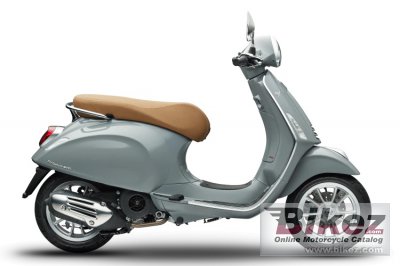
Primavera 125
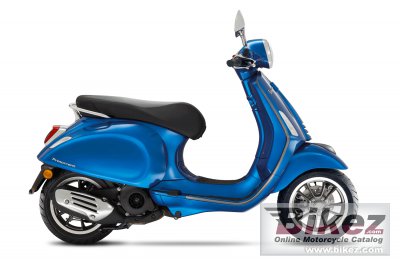
Primavera 125 S
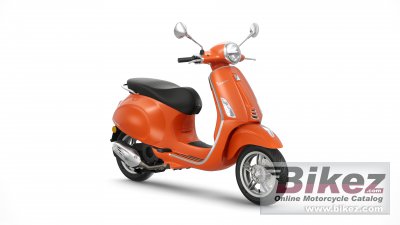
Primavera 150
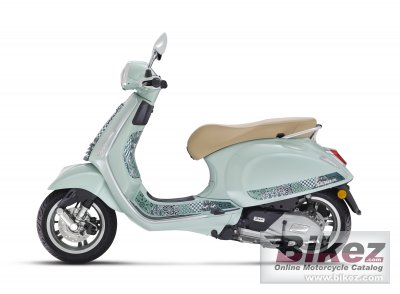
Primavera 150 Batik
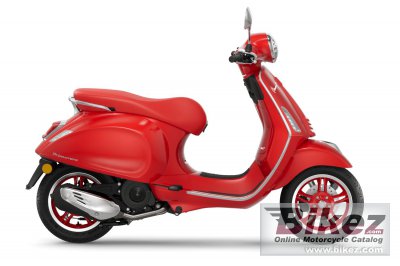
Primavera 150 Red
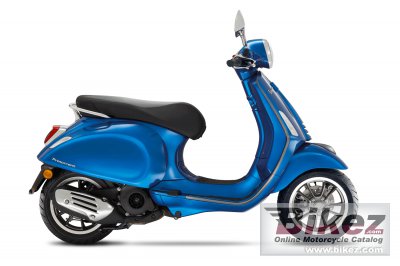
Primavera 150 S
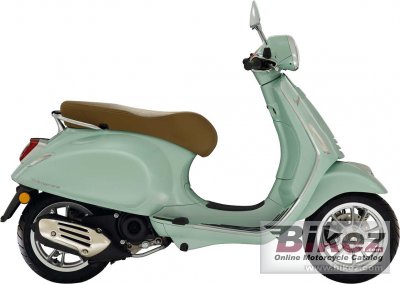
Primavera 50
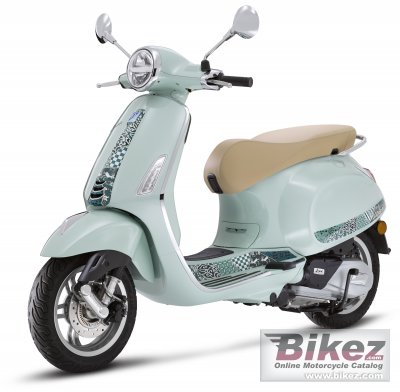
Primavera 50 Batik
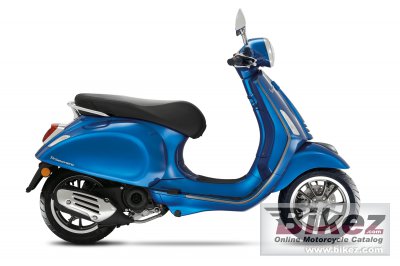
Primavera 50 S
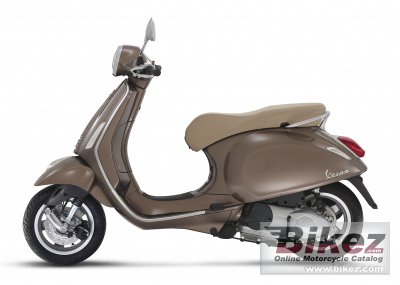
Primavera ABS 150
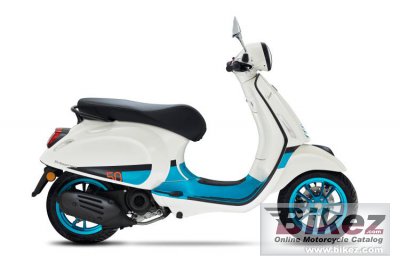
Primavera Color Vibe 50

Primavera Disney Mickey Mouse Edition
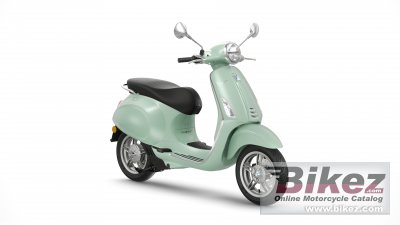
Primavera Elettrica
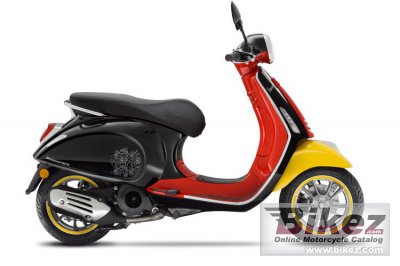
Primavera Mickey Mouse 150
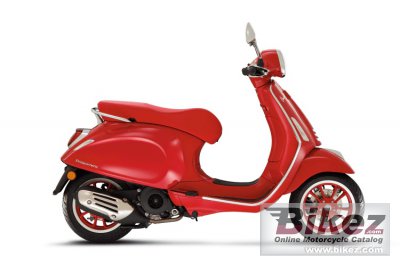
Primavera Red 125
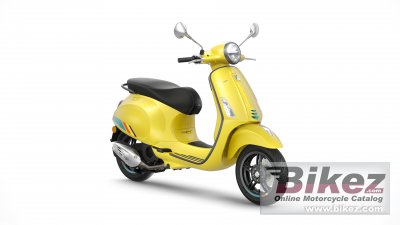
Primavera S 125
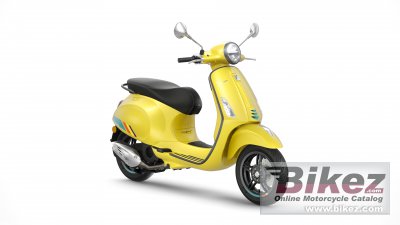
Primavera S 150
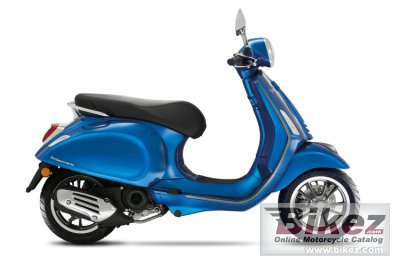
Primavera S 50
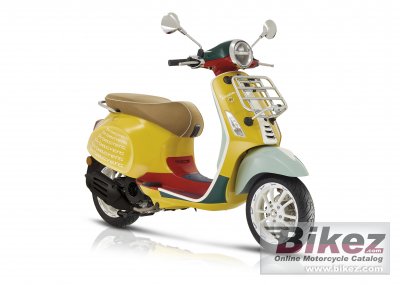
Primavera Sean Wotherspoon
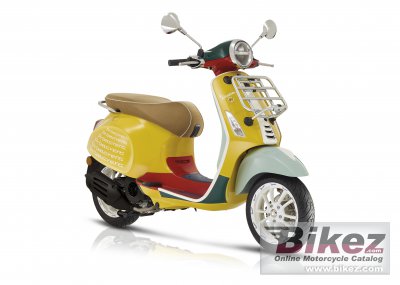
Primavera Sean Wotherspoon 150
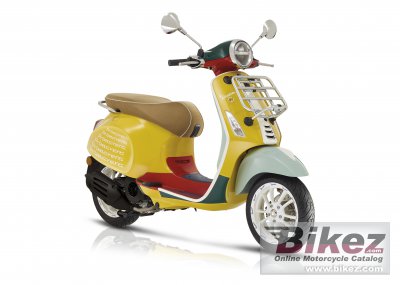
Primavera Sean Wotherspoon 50
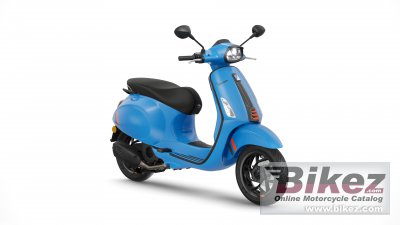
Primavera Sprint 150 S
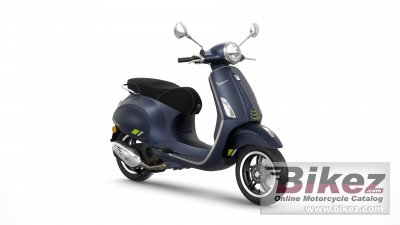
Primavera Tech 150
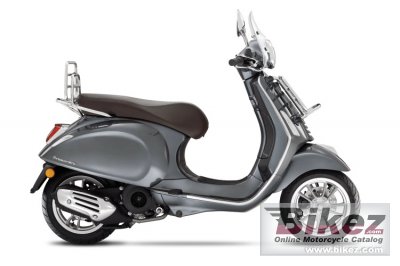
Primavera Touring 125
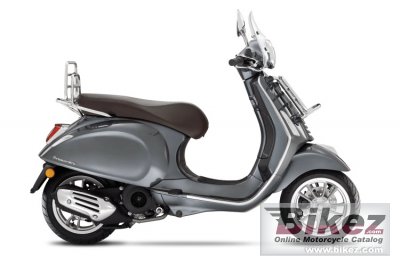
Primavera Touring 150
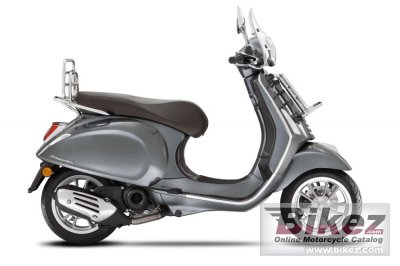
Primavera Touring 50
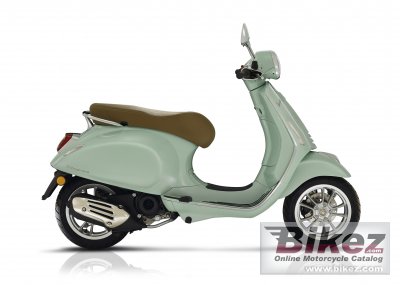
Primavera Verde Relax
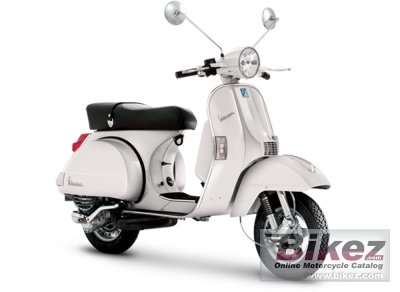
PX 125
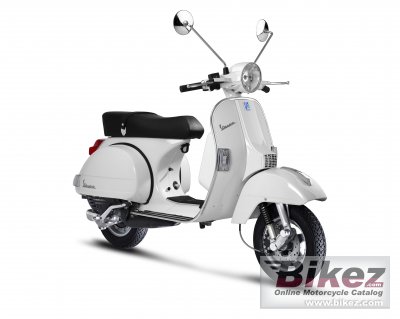
PX 150
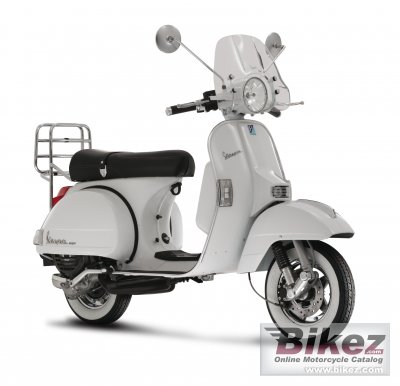
PX125
S
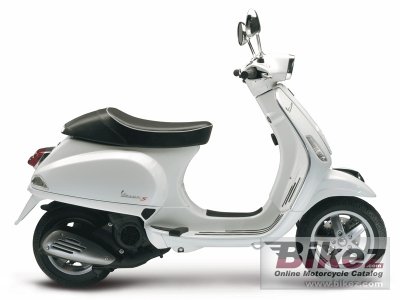
S
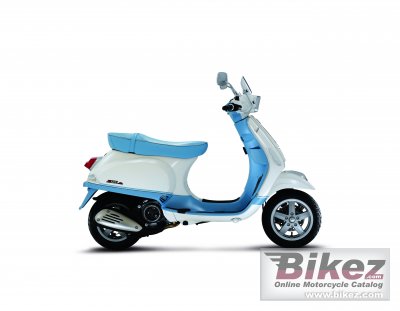
S 125
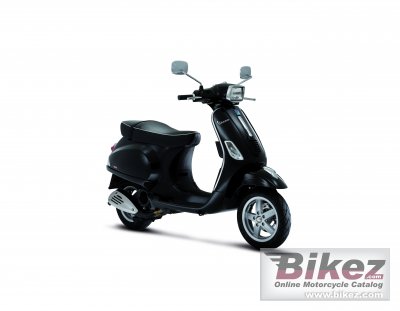
S 150
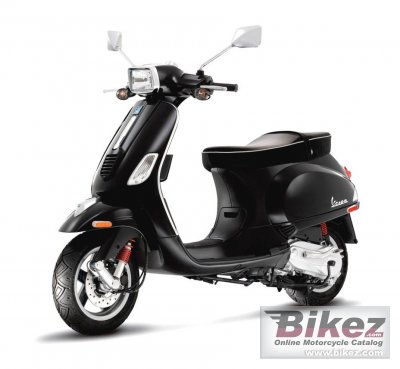
S 150 i.e.
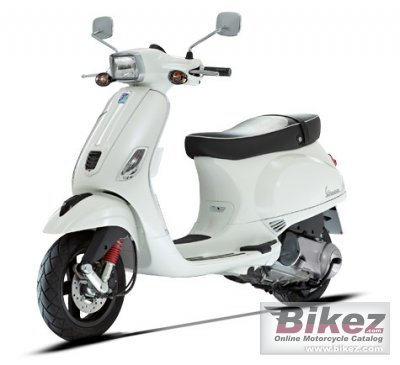
S 150 ie.
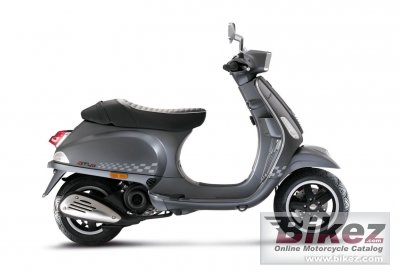
S 150 Sport SE
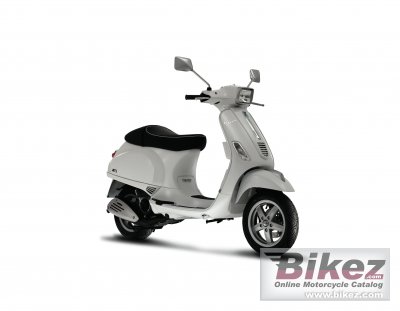
S 50
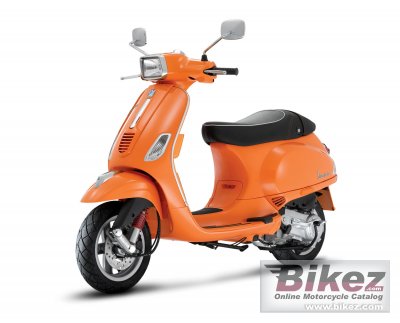
S 50 4V
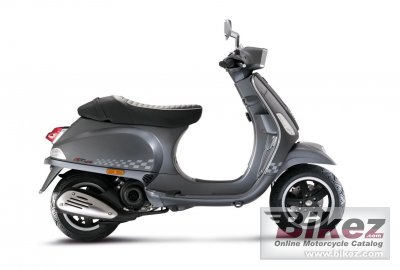
S 50 Sport SE
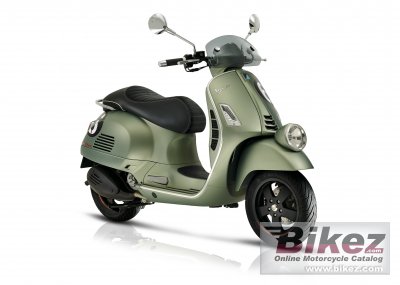
Sei Giorni 300
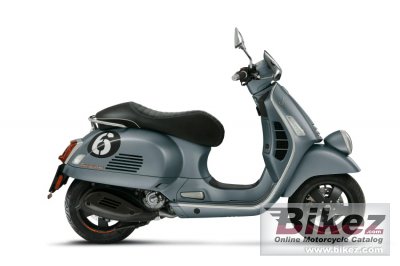
Sei Giorni 300 II
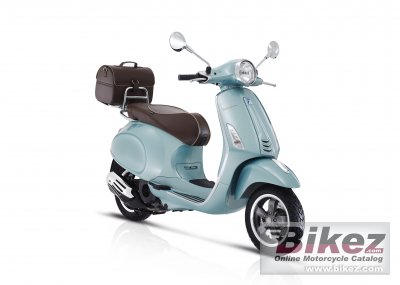
Settantesimo
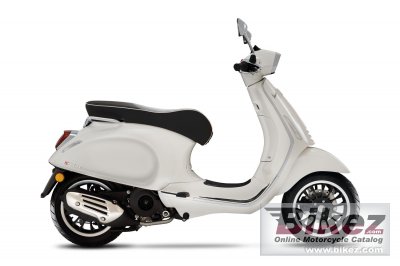
Sprint 125
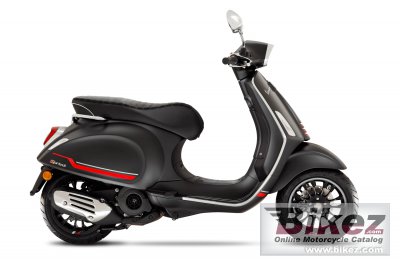
Sprint 150
Sprint 150 ABS
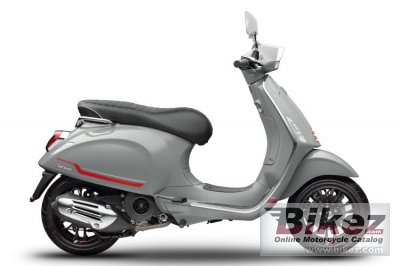
Sprint 150 S
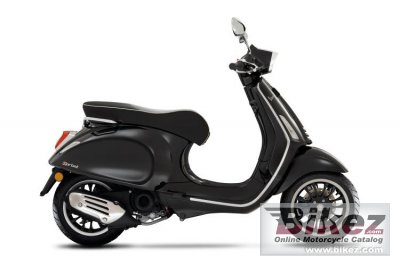
Sprint 50
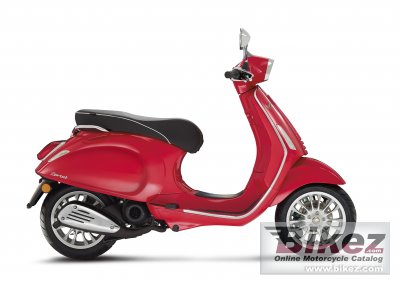
Sprint 50 2T
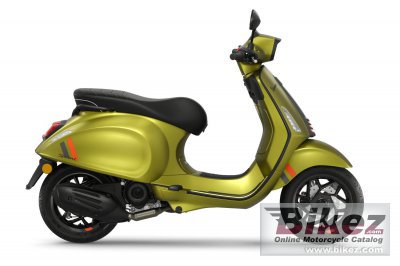
Sprint 50 S
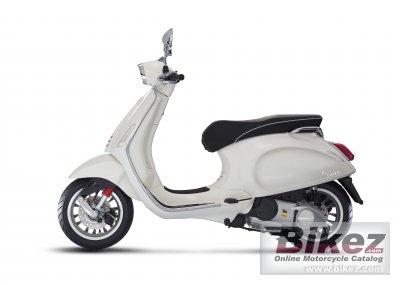
Sprint ABS 125
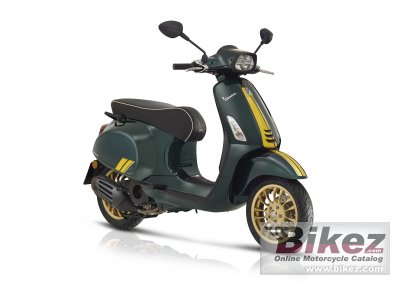
Sprint Racing Sixties
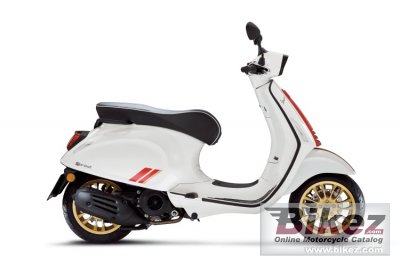
Sprint Racing Sixties 125
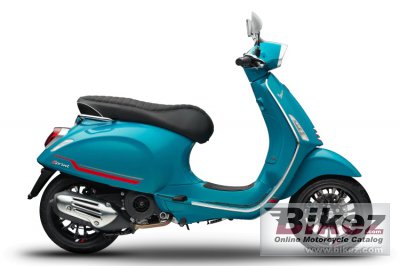
Sprint S 125
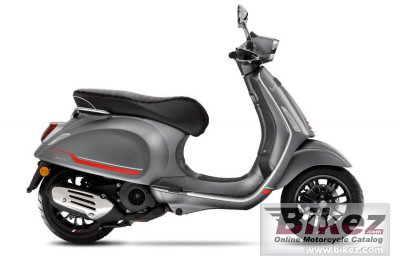
Sprint S 150
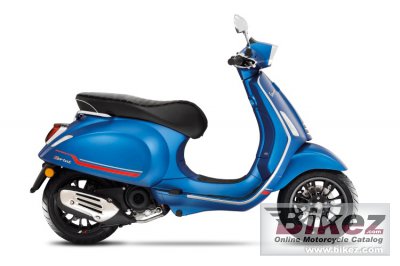
Sprint S 50
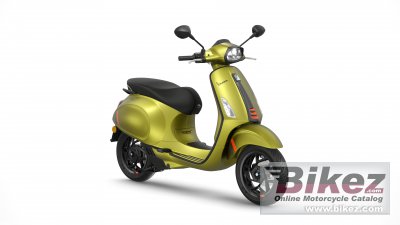
Sprint S Elettrica
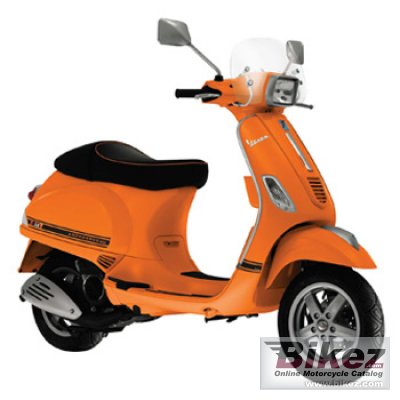
Advert with us!
Become a sponsor of the Vespa section in our catalog! We invite you to test rides and discussions about collaboration.
MoreVespa – Icon of Italian Design and Motorization
Vespa is one of the most recognizable scooter brands worldwide, symbolizing style, innovation, and the Italian passion for motorization. Founded in 1946, the company established itself as a leader in the light two-wheeler segment, combining functionality with unique design. Vespa is not only a means of transport but also an element of urban culture and lifestyle that has inspired generations of users for decades.
History of the Vespa Brand – Origins and Vision
The Vespa brand was born in post-war Italy when the Piaggio company, previously known mainly for aircraft production, decided to create an affordable, practical, and easy-to-use mode of transport. The first Vespa scooter was designed by engineer Corradino D’Ascanio, who introduced innovative structural solutions such as a unified load-bearing frame and an engine cover that protected the rider from dirt.
Vespa’s vision was based on creating a vehicle accessible to a wide audience, which would be both aesthetically pleasing and comfortable for everyday use. From the very first models, Vespa gained popularity due to its reliability, lightweight construction, and ease of handling, which in the post-war years addressed the growing needs for urban mobility.
Milestones and Breakthrough Moments of the Vespa Brand
- 1946 – launch of the first Vespa 98 model, which marked a new era in urban motorization.
- 1950 – introduction of the Vespa 125 model, which gained even greater popularity thanks to its larger engine capacity.
- 1960 – debut of the Vespa 150, a model that became a style icon and was widely featured in films and popular culture.
- 1978 – modernization of the design and introduction of new technical solutions enhancing riding comfort and safety.
- 1996 – 50th anniversary of the brand, highlighting Vespa’s global popularity and its place in motorization history.
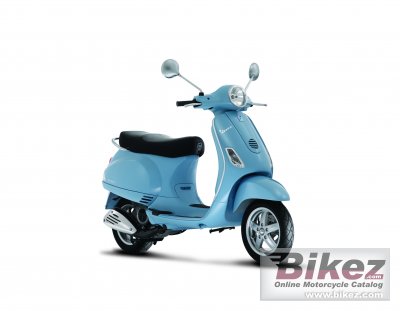
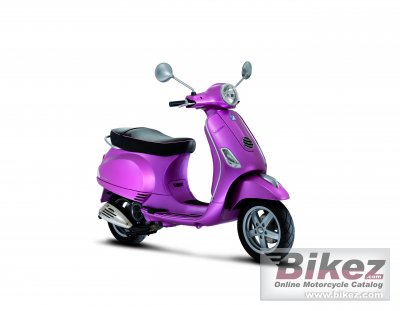
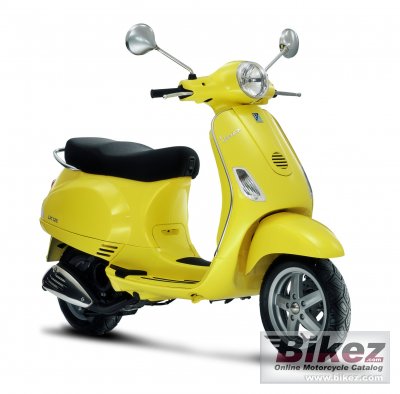
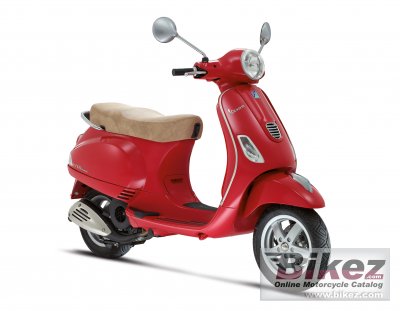
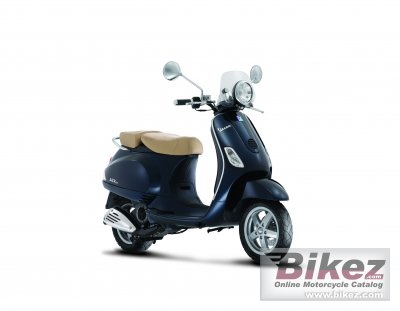
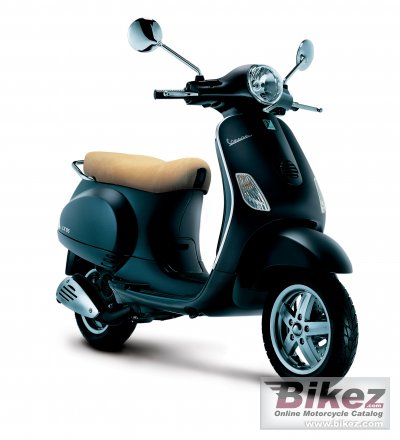
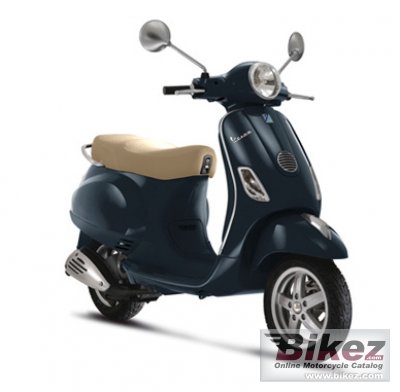
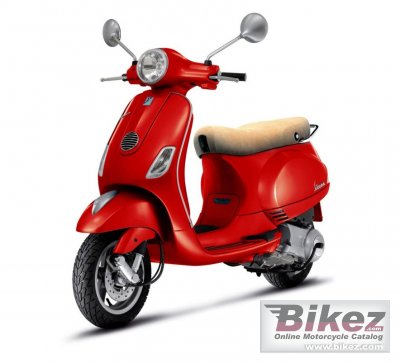
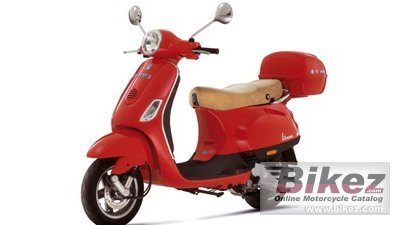
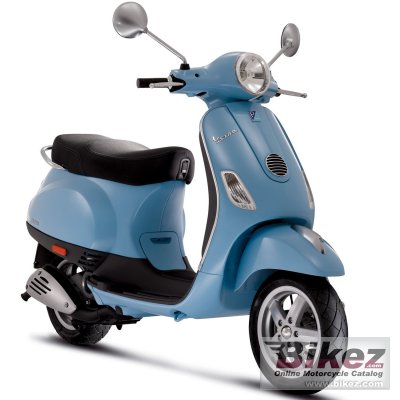
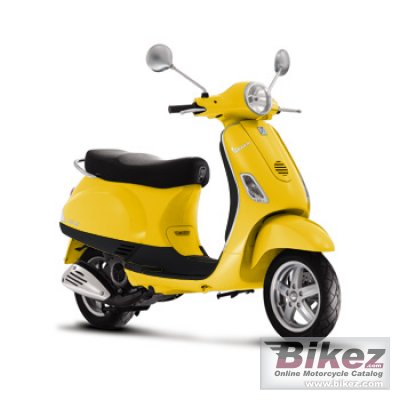
- 2006 – debut of the Vespa LX model, combining classic design with modern technologies such as electronic fuel injection.
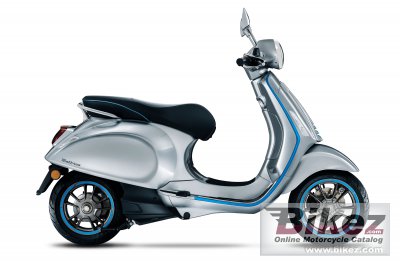
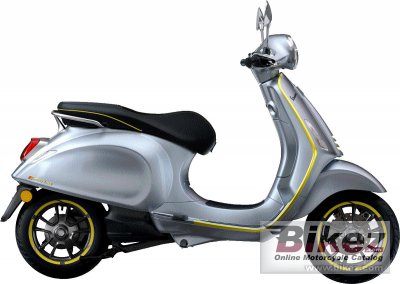
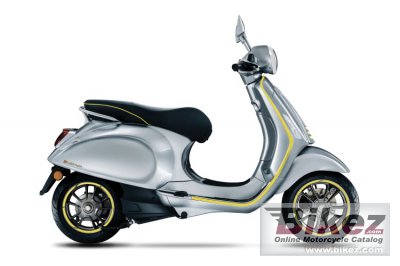
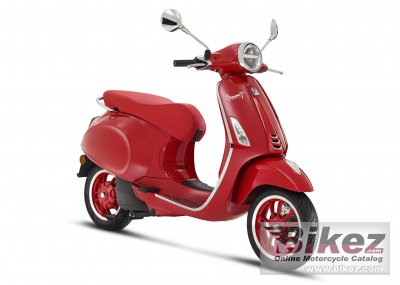
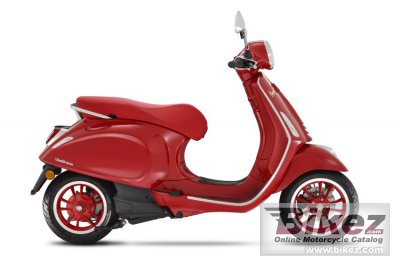
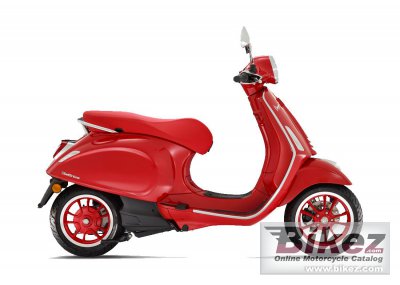
- 2018 – launch of the Vespa Elettrica, the brand’s first electric scooter, aligning with trends in sustainability and ecology.
Modern Era and Future of the Vespa Brand
Today, Vespa is a global brand that continuously expands its range, blending classic aesthetics with cutting-edge technologies. Models like the Vespa GTS and Primavera continue the tradition of style and functionality while equipping scooters with advanced safety systems, fuel injection, and modern braking systems.
The Vespa Elettrica addresses the challenges of modern motorization by offering an eco-friendly and quiet electric drive, perfectly suited for congested urban environments. The brand also invests in the development of smart solutions such as Bluetooth connectivity and mobile applications supporting users.
The future of Vespa is tied to further electrification of its fleet, improving energy efficiency, and maintaining a high level of design and comfort. Thanks to its strong heritage, innovation, and global recognition, Vespa remains one of the key players in the light two-wheeler market, inspiring new generations of urban mobility enthusiasts.