Planning a Cross-Country Motorcycle Adventure: Riding vs. Shipping Your Bike
14/01/2026

Epic motorcycle journeys across the United States require more than just fuel and enthusiasm. Whether you're chasing the Pacific Coast Highway, conquering the Rocky Mountain passes, or exploring the desert Southwest, logistics play a crucial role in making your adventure a success.
Table of Contents
The Reality of Multi-Week Motorcycle Trips
Riders dreaming of coast-to-coast adventures often face a practical dilemma: time constraints versus riding ambitions. A cross-country trip from New York to California covers roughly 2,800 miles—achievable in four or five hard riding days, but far more enjoyable spread across two or three weeks.
The problem? Most working riders don't have unlimited vacation time. Spending three days each way just getting to your destination eats into the time you'd rather spend exploring scenic routes, mountain passes, and coastal highways.
When Shipping Makes Sense
Strategic motorcycle shipping has become increasingly popular among adventure riders who want to maximize their saddle time in specific regions. Rather than burning days (and energy) crossing flat Midwestern interstates, many riders ship their bikes to a starting point and focus their riding time on the roads that matter most.
Consider this scenario: You live in Chicago and want to explore California's legendary riding routes—Big Sur, Death Valley, the Sierras. The ride through Kansas and Nebraska offers little excitement for most adventure seekers. By using interstate motorcycle transport to get your bike to California, you preserve your vacation days for actual exploration instead of highway mile accumulation.
This approach works particularly well for:
- Destination-focused trips: When you want to spend maximum time in a specific region rather than traveling to get there
- One-way adventures: Riding from San Francisco to Seattle, then shipping home while you fly back
- Rally attendance: Getting your bike to Sturgis, Daytona, or Laconia without the pre-rally fatigue
- Seasonal relocation: Snowbirds moving bikes between summer and winter riding bases
Understanding Your Transport Options
The motorcycle shipping industry offers several methods, each suited to different needs and budgets.
Open transport remains the most economical choice. Your motorcycle rides on an exposed trailer alongside other vehicles—perfectly adequate for standard bikes making routine moves. Weather exposure exists but rarely causes problems on domestic routes.
Enclosed transport provides full protection from road debris, weather, and prying eyes. Riders shipping vintage machines, custom builds, or high-value motorcycles often prefer this premium option. Expect to pay 30-50% more than open transport.
Crated shipping involves securing your motorcycle inside a wooden crate, typically with fluids drained and the battery disconnected. This method sees heavy use for international shipping but also works for domestic moves when maximum protection is required.
Door-to-door service eliminates the hassle of terminal drop-offs and pickups. The carrier collects your motorcycle from your specified location and delivers it directly to your destination address.
Preparing Your Motorcycle for Transport
Proper preparation ensures your bike arrives ready to ride. Start with documentation—photograph your motorcycle from multiple angles, noting any existing scratches, dents, or wear. This creates a baseline record should any transit damage occur.
Mechanical preparation matters too. Reduce fuel to approximately one-quarter tank; this lowers weight and minimizes leak potential. Check tire pressure, ensure the battery holds charge, and verify that all fluid levels appear normal.
Remove or secure loose accessories. Saddlebags, tank bags, and windscreens can shift during transport. GPS units, phone mounts, and other detachable items should travel with you rather than on the bike.
Disable any alarm systems. Nothing frustrates a transport driver more than a motorcycle screaming at 3 AM in a rest area. Document your alarm deactivation procedure if it's not obvious.
The Federal Motor Carrier Safety Administration recommends verifying that any transport company holds proper licensing and insurance. Legitimate carriers display USDOT and MC numbers, both searchable through the FMCSA database.
Timing and Costs
Domestic motorcycle shipping typically costs between $400 and $1,100 depending on distance and service level. Short regional moves fall toward the lower end; coast-to-coast transport in an enclosed trailer approaches the higher figures.
Transit times vary by distance and carrier availability. Regional moves often complete within 2-4 days. Cross-country shipping generally requires 7-10 days from pickup to delivery.
Seasonal demand affects both pricing and availability. Spring months see heavy booking as riders prepare for summer adventures. The weeks before major rallies create predictable spikes in transport demand. Booking two to three weeks ahead typically secures better rates and preferred pickup windows.
Planning Your Hybrid Adventure
The most satisfying motorcycle trips often combine riding with strategic shipping. A well-planned hybrid approach might look like this:
Ship your motorcycle to Denver. Fly in, collect your bike, then spend two weeks exploring Colorado's mountain passes, Utah's canyon country, and Arizona's desert routes. End in Phoenix or Los Angeles, drop your bike for return shipping, and fly home while it travels back.
This strategy delivers 2,000+ miles of genuinely spectacular riding without the 1,500 monotonous miles each way between the Midwest and the Rockies.
Insurance Considerations
Transport carriers provide basic liability coverage, but understanding the details matters. Standard policies typically cover transit damage—impacts, shifting, handling mishaps while the motorcycle is in the carrier's possession.
Exclusions often apply to pre-existing damage, mechanical failures, and items inside saddlebags or storage compartments. Cosmetic wear that can't be definitively attributed to transit handling may fall outside coverage.
High-value motorcycles warrant additional consideration. Your existing motorcycle insurance may offer better protection than carrier policies. Contact your insurer before shipping to understand coverage during transport and at the destination.
Making the Decision
The riding-versus-shipping decision ultimately depends on your priorities. Pure adventure seekers who treasure every mile, regardless of scenery, may prefer riding the entire route. Riders focused on specific destinations or pressed for time often find shipping delivers better overall experiences.
Calculate honestly: If shipping costs $700 and saves you four days of highway droning, what would those four extra days of mountain-pass riding be worth? For many riders, the math favors strategic shipping.
Final Preparation Checklist
Before committing to ship your motorcycle:
- Verify carrier USDOT and MC numbers through official databases
- Request proof of insurance and understand coverage limits
- Document your motorcycle's condition with dated photographs
- Confirm pickup and delivery windows work with your travel schedule
- Reduce fuel, secure loose items, and disable alarms
- Keep keys with the bike as many carriers need ignition access for loading
Cross-country motorcycle adventures create lifetime memories. Smart logistics planning ensures you spend those precious vacation days doing what matters most—riding incredible roads rather than just covering distance.
Check other guides

What modern Garage Management Software should provide (and why it matters)
Opinion about CarVertical we check the vehicle history by VIN or registration plate.

Best Motorcycle Oil: Synthetic or Mineral? | How to Choose the right one
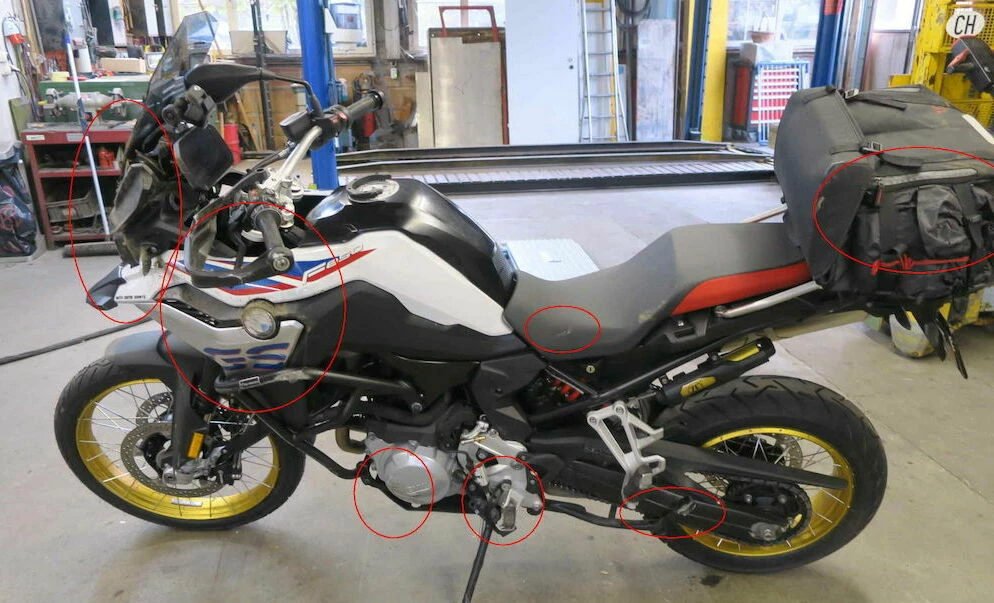
CarVertical discount code 30% | vehicle history report check now
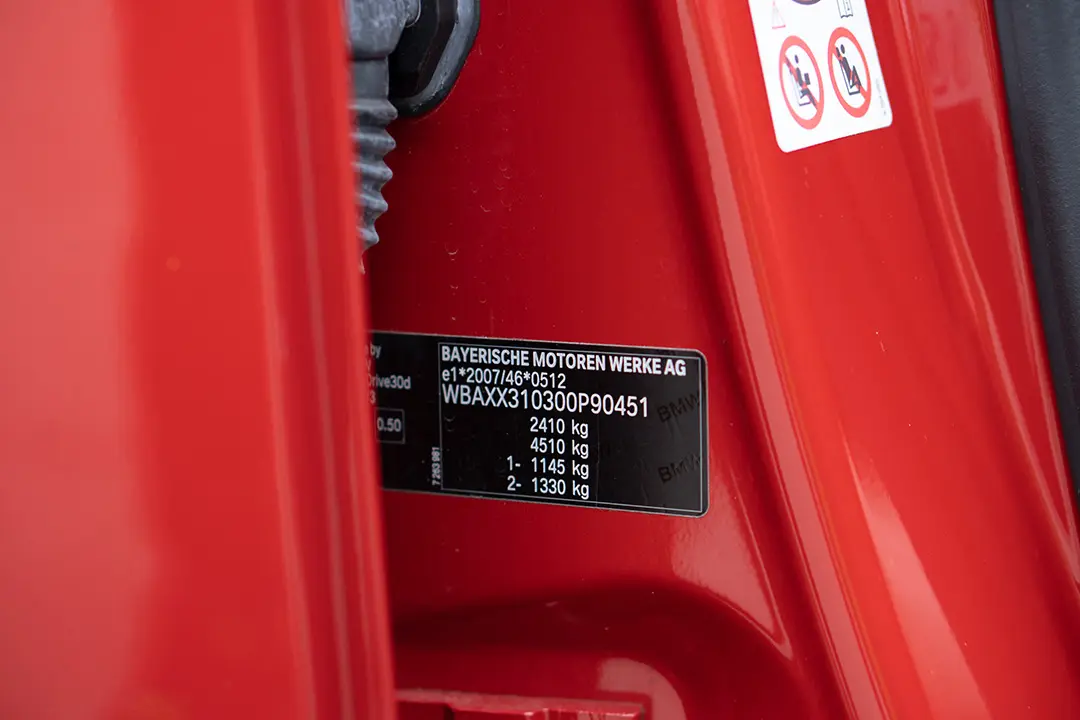
What is VIN and where you can find this number - plus explanation why you need to do so