BMW Motorrad Celebrates 50 Years of RS: From the R 100 RS to Today’s Sport-Touring Icons
07/05/2026
⛽
Track Your Fuel Costs
Log every fill-up, monitor consumption trends and keep all your motorcycle expenses in one place — powered by AI.
Start Your Fuel Journal →BMW Motorrad is celebrating 50 years of the RS badge—an idea that started with the R 100 RS and grew into one of motorcycling’s most influential sport-touring lineages.
Table of Contents
- 1. 50 Years of BMW RS: Why This Badge Matters
- 2. The Starting Point: The 1976 BMW R 100 RS
- 3. RS and Competition Motorcycles: Two Sides of the Same DNA
- 4. How RS Evolved Over Five Decades
- 5. Expert Comment: Przemek Gąsiorowski (Editor-in-Chief, mototrips.pl)
- 6. What This Anniversary Signals for Riders Today
- RS stands for “Rennsport” and has represented BMW’s sport-oriented engineering for five decades, bridging road performance and long-distance usability.
- The RS story began in 1976 with the BMW R 100 RS, widely recognized for bringing a wind-tunnel-developed full fairing into series production and redefining high-speed touring comfort.
- RS is not only about touring: the anniversary also highlights BMW’s long tradition of competition motorcycles and the technology transfer from racing to the road.
- Over 50 years, RS evolved with changing eras—from air-cooled boxer roots to modern electronics, chassis development and performance-focused ergonomics.
- The RS idea remains consistent: a motorcycle built to cover distance fast, with stability, protection and precision—without losing the rider-focused character of a sporty machine.
50 Years of BMW RS: Why This Badge Matters
BMW Motorrad is marking 50 years of RS production—a milestone that underlines how influential the RS concept has been in the real world of riders who want speed, control and comfort in one package. “RS” (short for Rennsport) is more than a logo on a fairing: it’s a design philosophy that has repeatedly pushed BMW’s road bikes toward sharper dynamics while preserving the brand’s long-distance competence.
The anniversary communication also places RS in a broader context—BMW’s history of competition motorcycles and the way racing thinking has shaped series-production models. In other words: RS is the street-facing expression of a performance mindset that has lived in BMW’s engineering culture for decades.
The Starting Point: The 1976 BMW R 100 RS
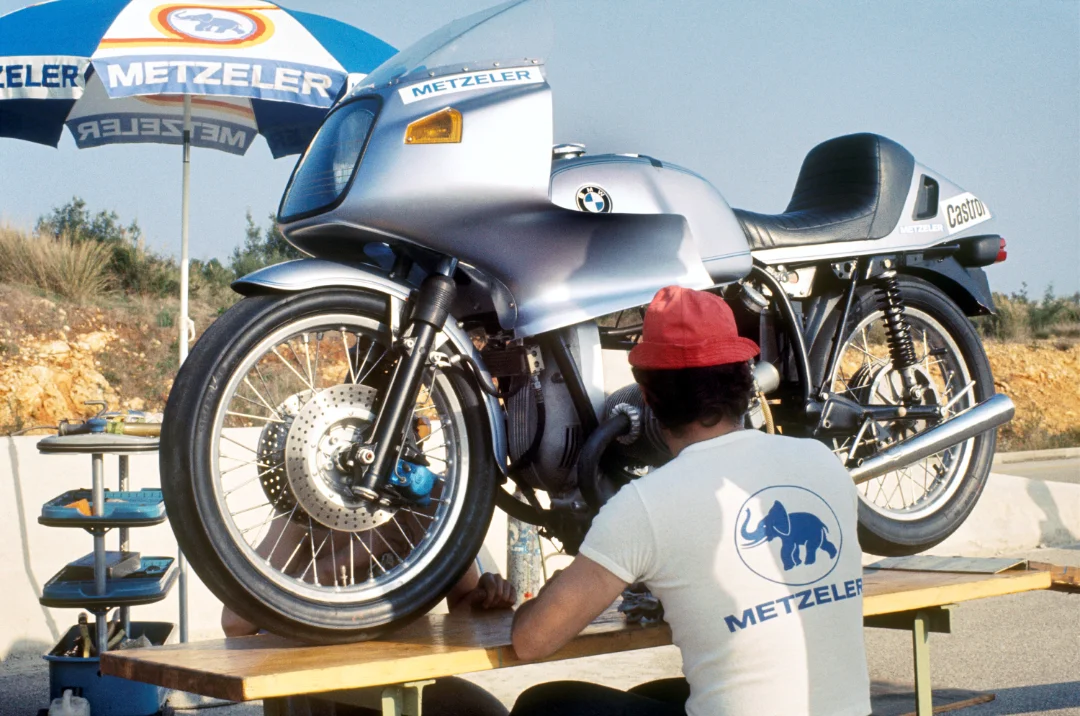
The RS lineage is inseparable from one motorcycle: the BMW R 100 RS, introduced in 1976. In the era of fast autobahns and expanding touring ambitions, BMW answered a clear rider need: high-speed stability and wind protection without sacrificing the handling and feel expected from a sporty machine.
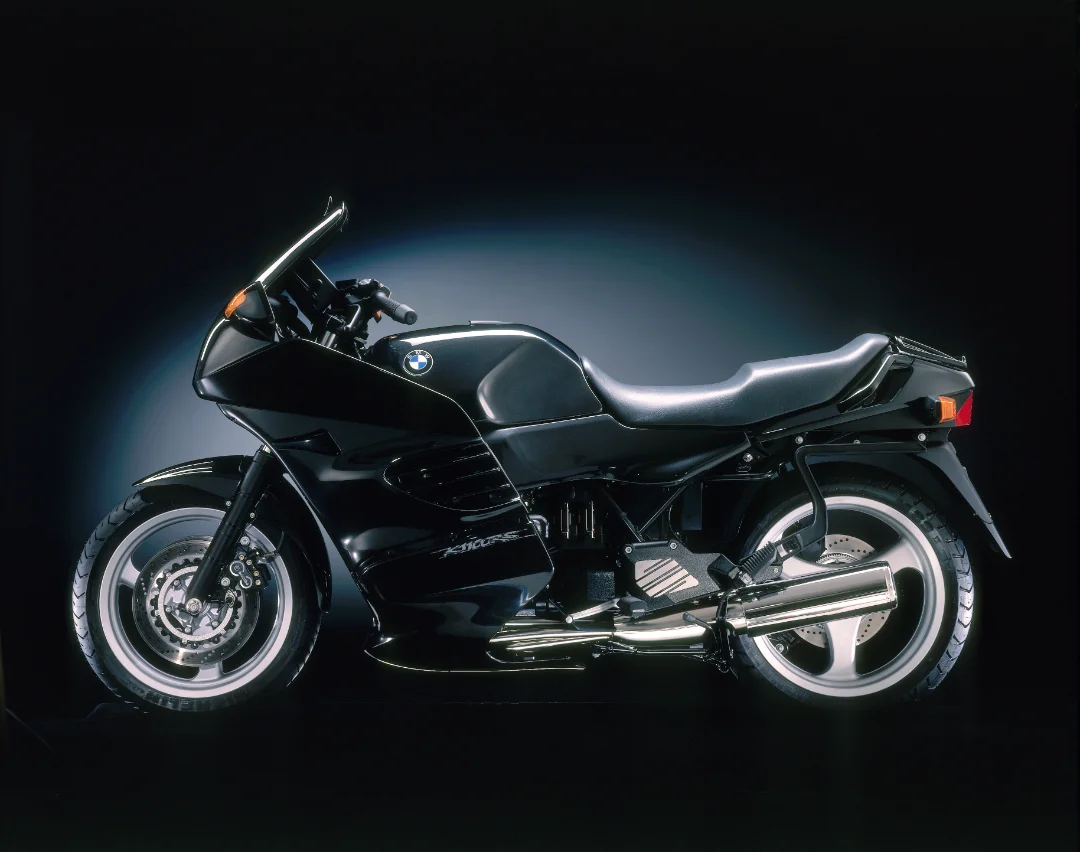
What set the R 100 RS apart—then and now in historical perspective—was the way it treated aerodynamics as a core design input. The model became widely known for its wind-tunnel-developed full fairing in series production, bringing a new level of rider comfort at speed and helping define what modern sport touring would become.
Why the R 100 RS Was a Turning Point
- Aerodynamics as engineering, not decoration—wind protection and stability were designed in, not added on.
- Sport and distance combined—a performance-oriented riding position and chassis feel, but built to cover serious mileage.
- A new benchmark for “fast touring”—the idea that you could ride far and arrive less fatigued, while still enjoying the pace.
RS and Competition Motorcycles: Two Sides of the Same DNA
BMW Motorrad’s anniversary message doesn’t treat RS as an isolated product line. Instead, it ties the badge to the brand’s broader competition motorcycle heritage—machines developed for racing and performance disciplines where reliability, power delivery and chassis balance must work under extreme pressure.
That connection matters because it explains the RS identity: road usability informed by performance development. Racing and competition programs tend to accelerate innovation—materials, cooling solutions, braking performance, suspension behavior and ergonomics. Over time, these lessons filter into road bikes, and RS models have often been positioned as the rider-friendly, mile-eating expression of that transfer.
What “Rennsport” Means in Practice
- Precision over drama: stable handling and predictable feedback at real-world speeds.
- Performance you can use: power delivery and gearing that work both on fast roads and in everyday riding.
- Endurance-minded design: comfort, wind protection and rider ergonomics treated as performance multipliers.
How RS Evolved Over Five Decades
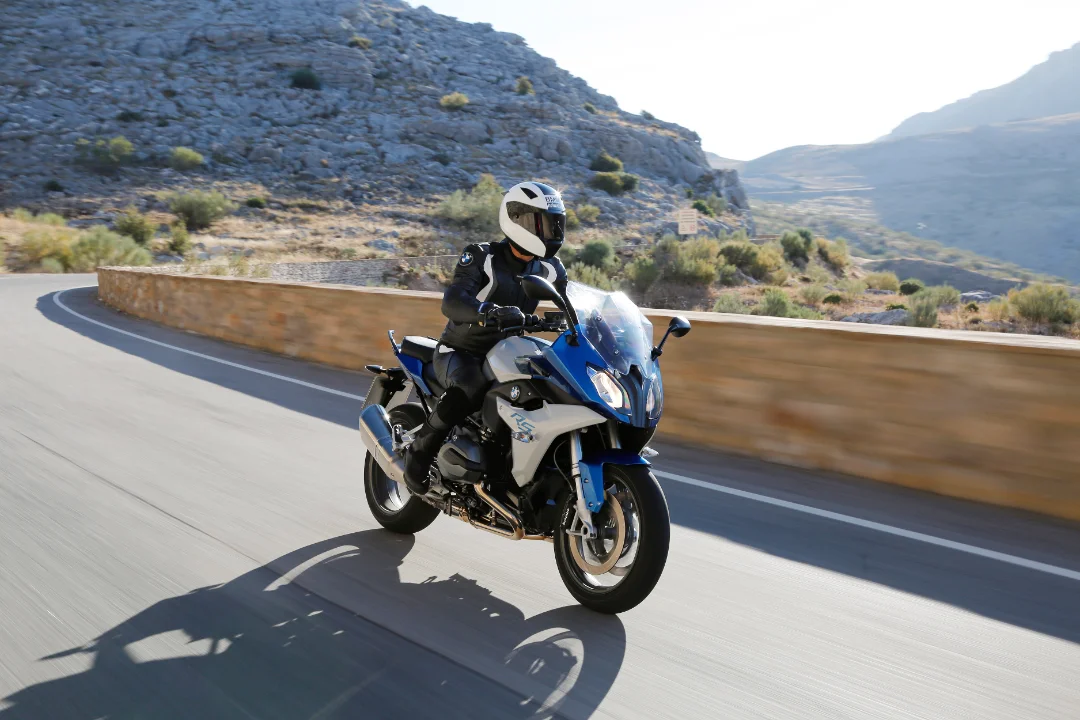
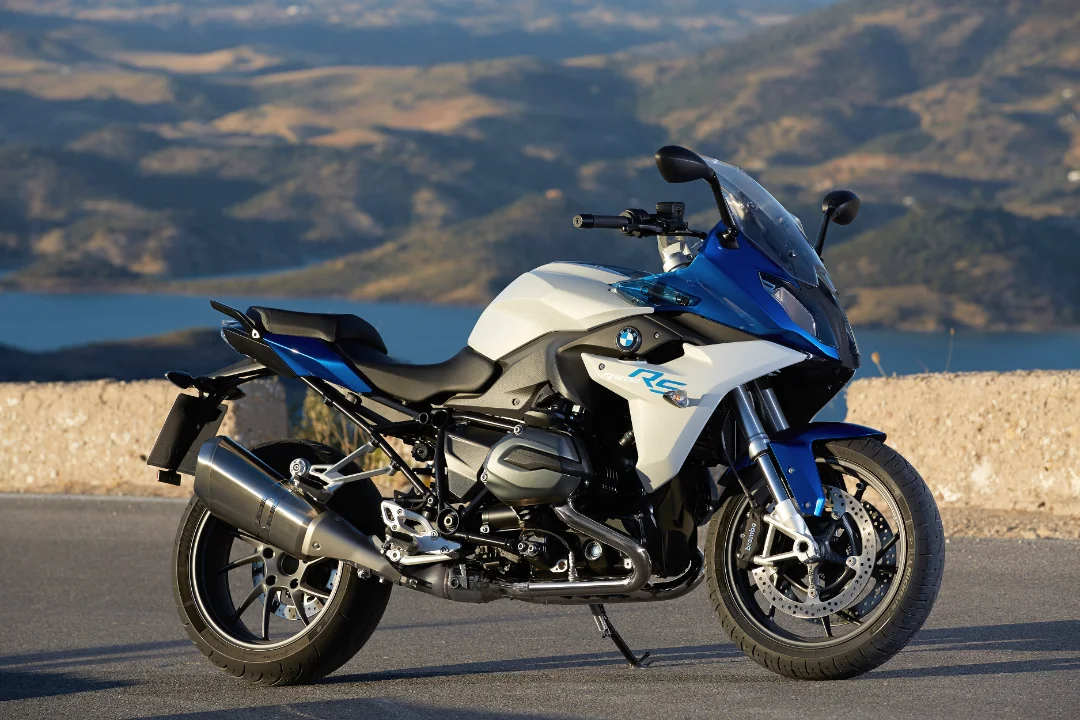
Across 50 years, the RS idea has had to adapt to changing expectations: more traffic, higher performance baselines, stricter regulations and riders who demand both character and technology. Yet the RS thread remains consistent—sport touring with an emphasis on control.
From the early boxer era to later generations, RS models have typically pursued the same targets:
- High-speed composure—especially relevant in markets where sustained speed is part of the riding culture.
- Weather and wind management—fairings, screens and ergonomics designed for long stints.
- Chassis confidence—stability under load (luggage, passenger) without turning the bike into a soft tourer.
- Technology with purpose—electronics and rider aids that support pace and safety rather than distract from the ride.
Expert Comment: Przemek Gąsiorowski (Editor-in-Chief, mototrips.pl)
Przemek Gąsiorowski: “RS is one of those rare badges that actually describes a riding experience. The original R 100 RS proved that aerodynamics and comfort can be performance features—because a rider who’s less tired is a rider who rides better. What I appreciate most is that RS never tried to be a pure supersport; it aimed at real roads and real distances. That’s why, 50 years later, the RS concept still makes sense: it’s about covering ground quickly, confidently and with a clear, mechanical honesty that BMW has refined generation after generation.”
What This Anniversary Signals for Riders Today
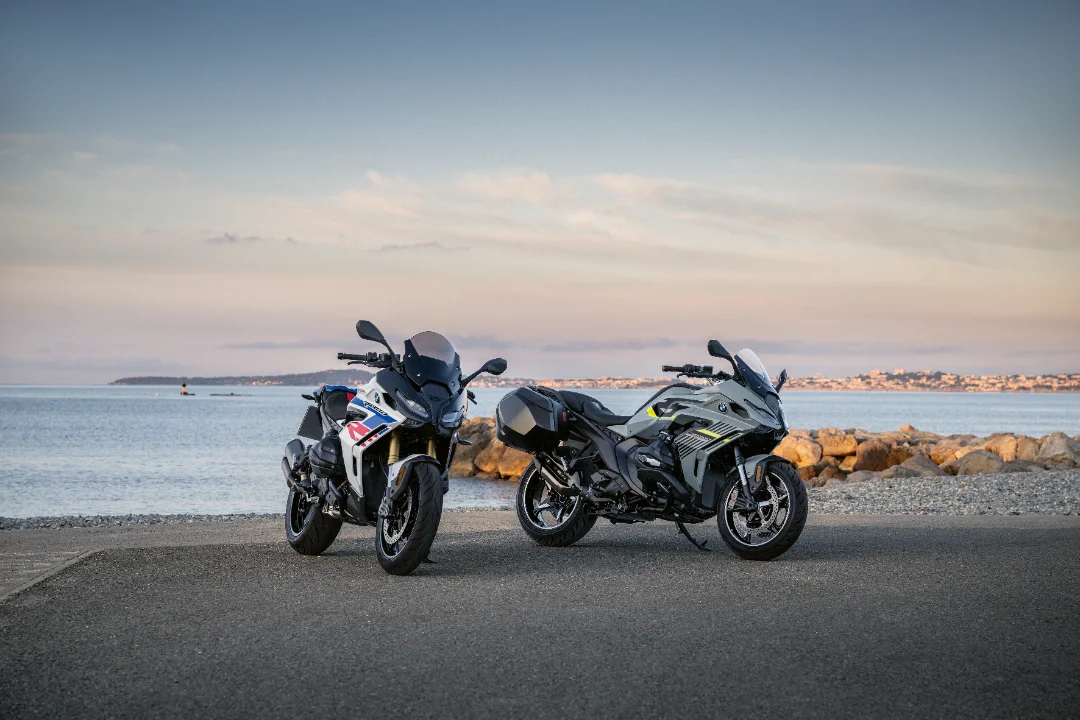
Anniversaries can be marketing moments, but this one points to something practical: the RS formula remains relevant because it matches how many people actually ride. Not everyone wants an extreme track-focused machine, and not everyone wants a heavy touring platform. RS sits in the middle—dynamic, protective, distance-capable.
For riders considering an RS-style motorcycle today, the 50-year story is a reminder that the category’s “default expectations” (wind protection, stability, comfort at speed) were shaped in part by the RS lineage. Whether you ride for long weekends, cross-country trips or simply want a sporty bike that doesn’t punish you after 200 miles, RS remains a credible blueprint.
RS in One Sentence
BMW RS is sport touring engineered from a performance mindset—built to ride far, fast and focused.
#BMW Motorrad#BMW RS#R 100 RS#sport touring#motorcycle history#Rennsport#anniversary
Frequently Asked Questions
- What does “RS” mean on BMW motorcycles?
- RS stands for “Rennsport,” a term linked to performance and sport-oriented engineering. In BMW Motorrad’s lineup it has come to represent sport touring: dynamic handling combined with long-distance comfort and wind protection.
- When did BMW start producing RS motorcycles?
- BMW’s RS production story began with the BMW R 100 RS, introduced in 1976. BMW Motorrad is celebrating 50 years of RS production starting from that milestone model.
- Why is the BMW R 100 RS considered historically important?
- The R 100 RS is widely recognized for bringing a wind-tunnel-developed full fairing into series production, improving high-speed comfort and helping define the modern sport-touring concept.
- How is RS connected to BMW’s competition motorcycles?
- BMW ties the RS anniversary to its broader competition motorcycle heritage, emphasizing technology transfer and a performance-driven engineering approach. RS models reflect that mindset in a road-focused, distance-capable package.
Check other news

JETOUR G700 TOPFIRE Debuts in Saudi Arabia as a Factory-Customized Off-Road SUV
Husqvarna Recalls 2022-2024 Offroad Motorcycles with Braktec Brake Systems

CarVertical Discount Code: Check a Vehicle's History by VIN for Less
BMW R 12 G/S Becomes the New GS Trophy Competition Bike
Triumph reveals new Moto2 race engine for 2027: a new era for the Grand Prix middleweight class