Ducati Desmo450 EDS: the first enduro from Borgo Panigale with a desmodromic engine
11/06/2026
⛽
Track Your Fuel Costs
Log every fill-up, monitor consumption trends and keep all your motorcycle expenses in one place — powered by AI.
Start Your Fuel Journal →Ducati enters the enduro world with the Desmo450 EDS — a motorcycle based on the Desmo450 MX, but thoroughly adapted to long, technical off-road routes. It’s a machine with a desmodromic valve train, Showa suspension developed with Antoine Meo and optional racing electronics.
Table of Contents
- 1. Ducati Desmo450 EDS: enduro the Italian way
- 2. Construction based on the Desmo450 MX, but prepared for enduro
- 3. Aluminum frame and chassis built for tough terrain
- 4. Desmo450 engine: a desmodromic single for enduro
- 5. Cooling and protection: prepared for extreme conditions
- 6. Brembo brakes and Galfer discs
- 7. Ducati electronics: DTC, Launch Control and X-Link
- 8. Adaptive maintenance: service dependent on riding style
- 9. Key technical data of the Ducati Desmo450 EDS
- 10. Ducati Performance accessories
- 11. Who is the Ducati Desmo450 EDS for?
- Ducati Desmo450 EDS is the manufacturer’s first modern enduro motorcycle from Borgo Panigale.
- The model uses a single-cylinder Desmo450 engine with a displacement of 449.6 cm³ and a desmodromic valve train.
- The motorcycle is based on the Desmo450 MX, but has been modified for enduro: a larger tank, 21/18-inch wheels, different gearing, new suspension and reinforced guards.
- The Showa suspension was developed in cooperation with multiple enduro world champion Antoine Meo.
- After installing the Ducati Performance kit, the motorcycle can use Ducati Traction Control, Launch Control, Engine Brake Control, a Quickshifter and riding modes.
- The Desmo450 EDS is intended to be a motorcycle both for racers and ambitious amateurs looking for a fast but predictable enduro machine.
Ducati Desmo450 EDS: enduro the Italian way
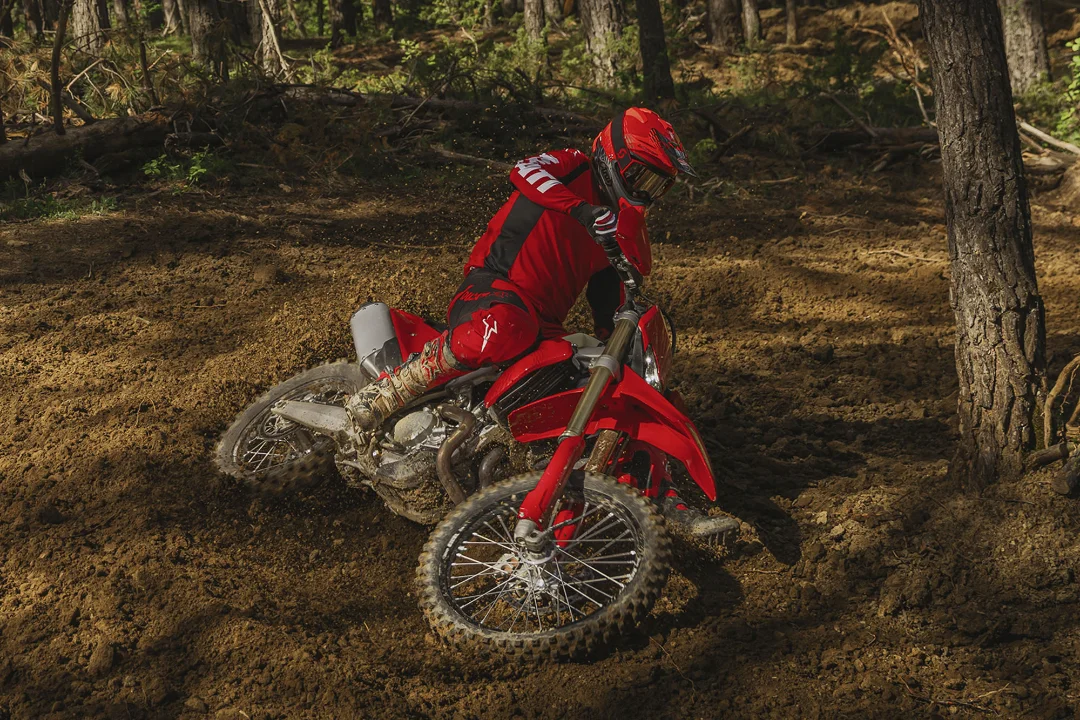
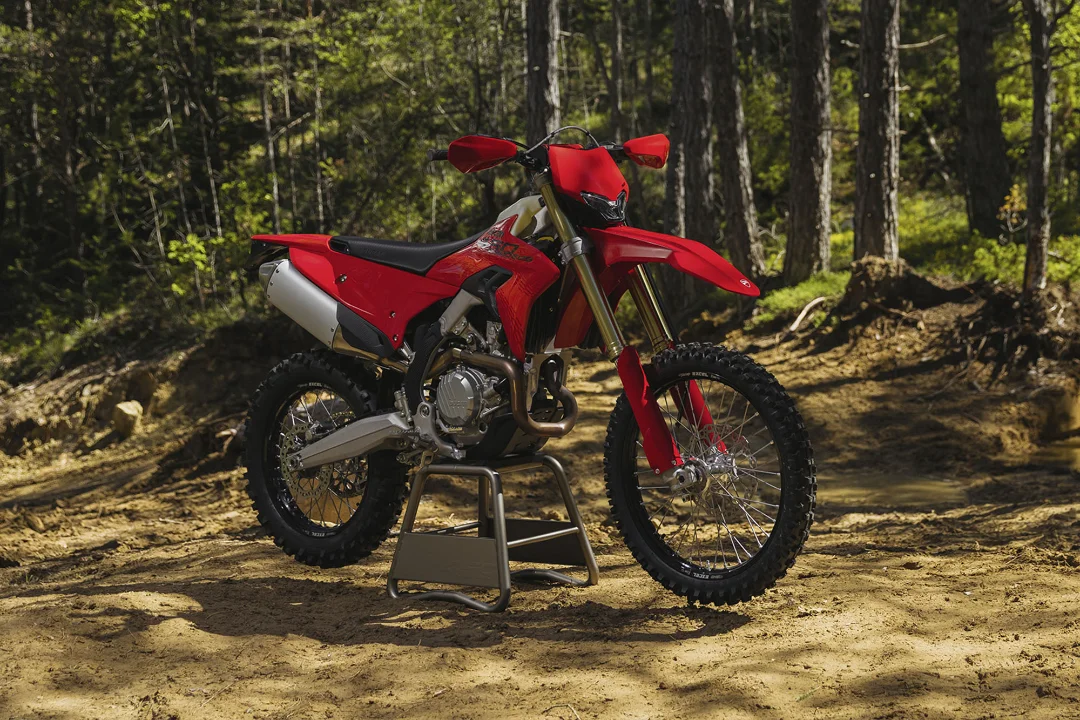
The Ducati Desmo450 EDS opens an entirely new chapter for the brand from Borgo Panigale. A manufacturer associated for years mainly with superbikes, nakeds and premium touring machines is entering the enduro segment with a motorcycle designed from the ground up for off-road riding. This is not just a motocross Desmo450 MX with a headlight and a bigger tank. Ducati emphasizes that the EDS was developed with real enduro demands in mind: variable surfaces, long stages, technical climbs, rocks, roots and the need to maintain control at low speeds.
The model’s biggest distinguishing feature is its engine with a desmodromic valve train. Ducati claims that the Desmo450 EDS is the only motorcycle in its class equipped with such a solution. For brand fans, it’s a hallmark of Ducati’s racing DNA, but in enduro it’s not just peak performance that matters. Here, traction, smooth power delivery, flexibility and resistance to long, hard work are key.
Przemek Gąsiorowski, editor-in-chief of moto-trips.com: Ducati is not just trying to enter the enduro segment, but is doing it in its typical way — with a strong technological differentiator. The desmodromic single, advanced electronics and cooperation with Antoine Meo show that the Desmo450 EDS is meant to be more than a curiosity. It’s a real attempt to build a motorcycle that will interest racers but won’t scare off ambitious amateurs.
Construction based on the Desmo450 MX, but prepared for enduro
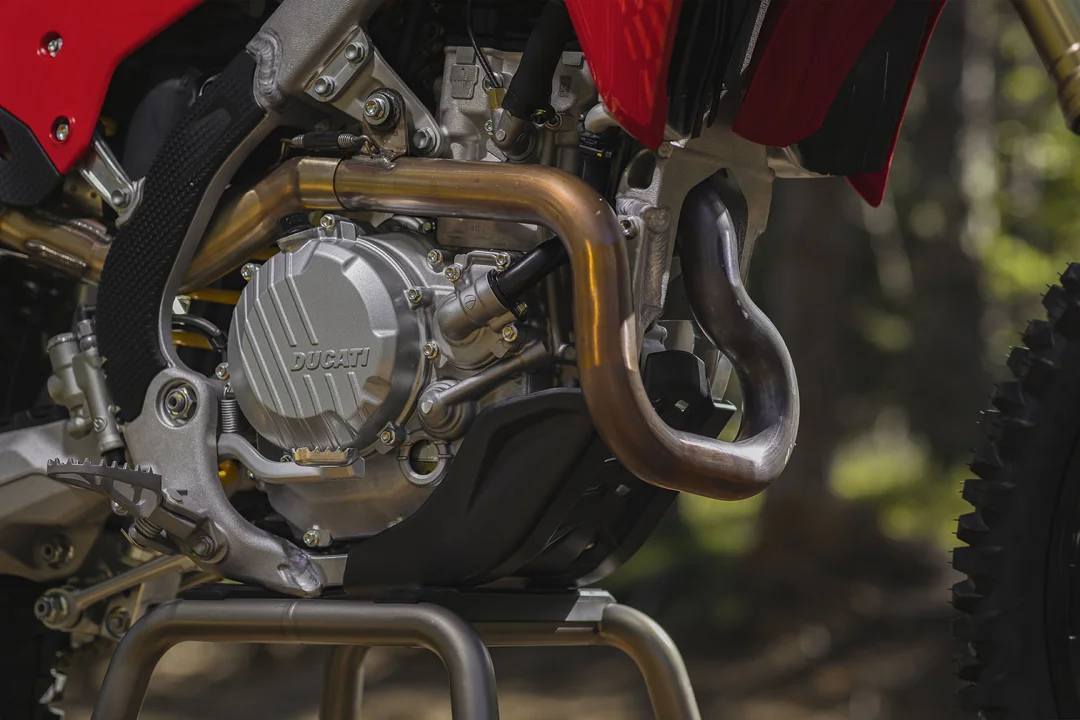
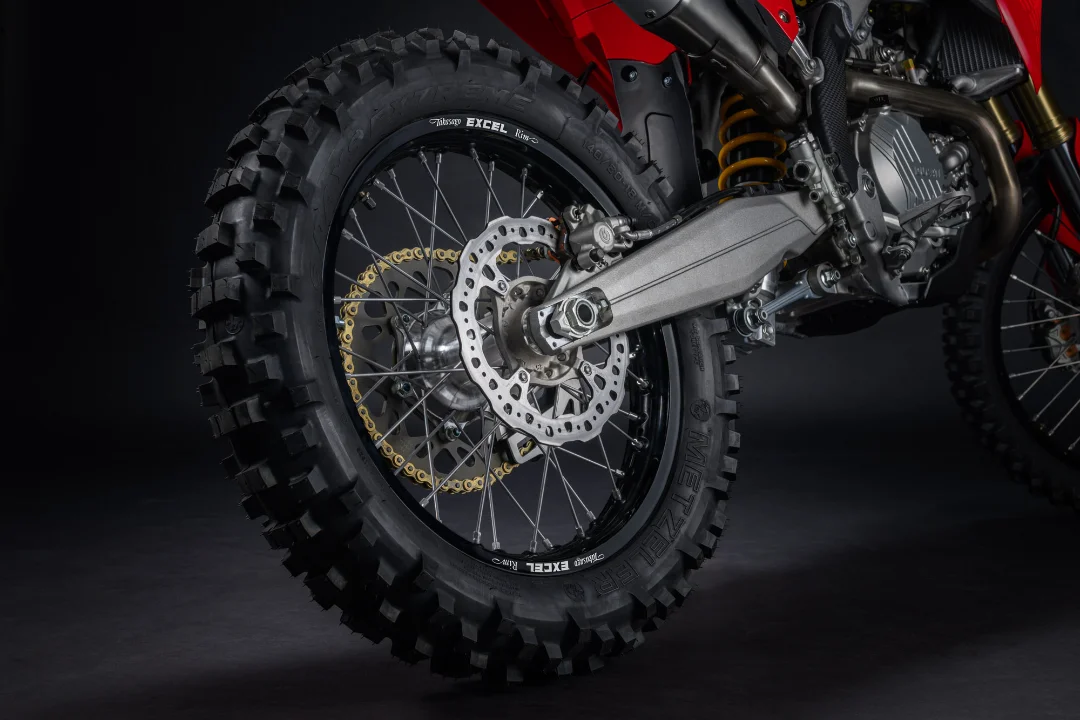
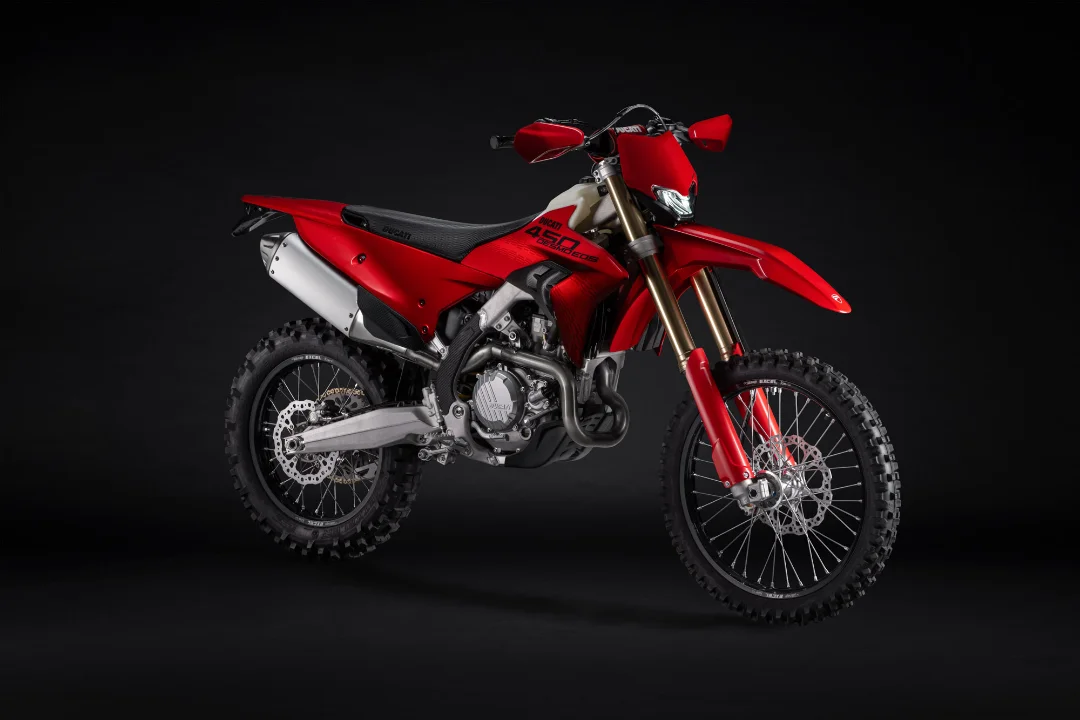
The Desmo450 EDS draws on the experience gained with the Desmo450 MX, but Ducati has introduced a number of changes necessary for enduro riding. The motorcycle received wheels in the classic off-road configuration: 21 inches at the front and 18 inches at the rear. Contact with the ground is provided by Metzeler Six Days Extreme tires in sizes 80/100-21 and 110/90-18. The tires were chosen for grip, stability and steering precision on varied surfaces.
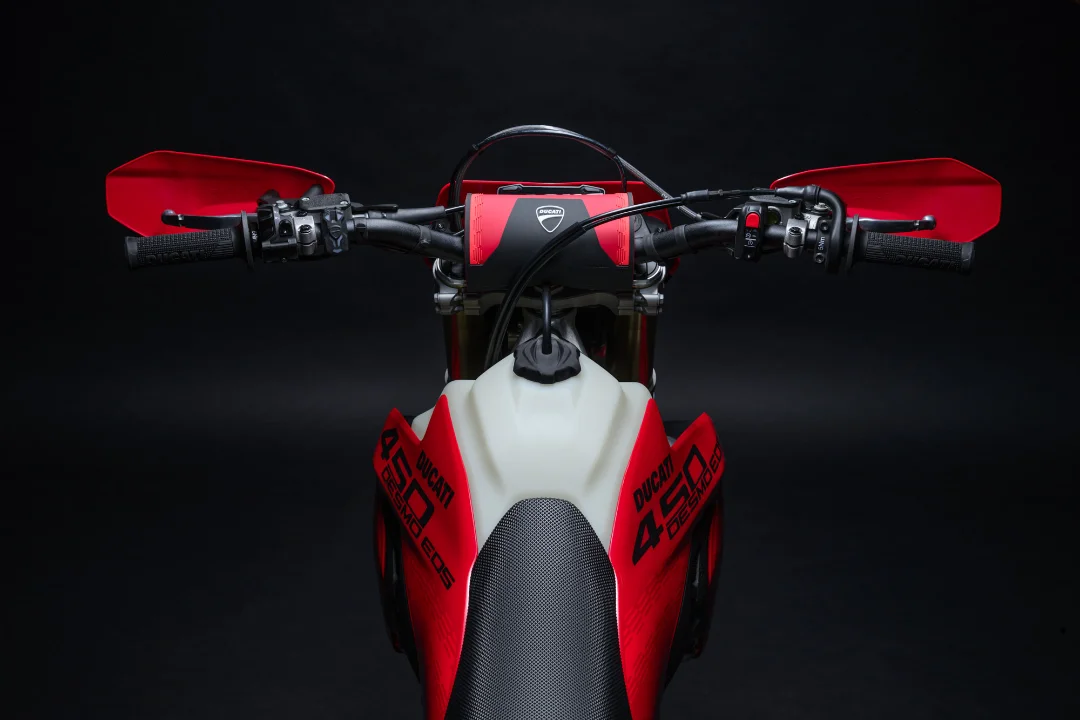
The new fuel tank has a capacity of 8.5 liters and is housed in the aluminum perimeter frame. Ducati made sure that the increased range did not worsen ergonomics. The tank is slim and routed upwards, while the redesigned side panels and seat are intended to facilitate body movement. The transparent tank design allows for a quick check of the fuel level, which in enduro is a practical rather than stylistic addition.
Aluminum frame and chassis built for tough terrain
The Desmo450 EDS frame is based on the aluminum perimeter frame from the MX model, but has been adapted to the specifics of enduro. Ducati modified the engine mounts to achieve the right level of stiffness. The structure weighs less than 9 kg and consists of just 11 elements. According to the manufacturer, this is about half the number of components used in many competing designs.
The front section of the frame, connecting the steering head with the upper shock absorber mount, is a single cast element. This is a technology also known from Ducati Superbike motorcycles. It allows precise control of material thickness, reduced weight and the creation of complex shapes without compromising strength.
Showa suspension developed with Antoine Meo
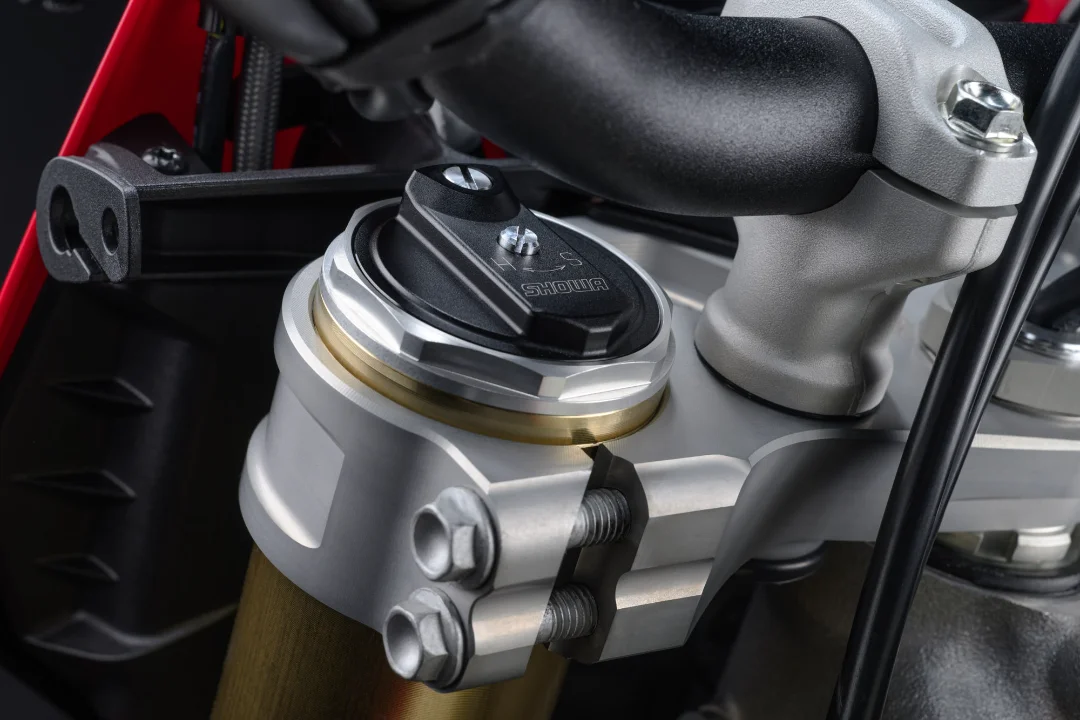
One of the most important elements of the Desmo450 EDS is the Showa suspension. The Japanese manufacturer, together with Ducati test riders and Antoine Meo, developed a fork designed specifically for enduro. At the front works a fully adjustable 49 mm Showa upside-down fork with 310 mm of travel and a Kashima coating. At the rear there is a fully adjustable Showa shock with 301 mm of travel.
Compared to motocross, enduro requires greater suspension sensitivity to small and medium bumps. Stones, roots and slow technical sections demand grip, not just resistance to big landings. That’s why the EDS suspension has a softer character than in the Desmo450 MX, and the rear shock has been designed to improve traction during acceleration.
Desmo450 engine: a desmodromic single for enduro
The heart of the Ducati Desmo450 EDS is a single-cylinder engine with a displacement of 449.6 cm³ and a desmodromic valve train. The unit is derived from the MX model, but has been thoroughly redesigned in terms of power delivery characteristics. In enduro, it’s not just about maximum power. More important are torque at low and medium revs, smooth throttle response and the ability to overcome obstacles without constantly fighting the clutch and gears.
Ducati has used a 42 mm throttle body instead of a 44 mm one, dedicated camshafts, a piston with a lower compression ratio, a special exhaust system and a crank assembly and flywheel with increased inertia. The result is intended to be more predictable, progressive and easier-to-manage power delivery.
Six-speed gearbox and lighter clutch operation
The Desmo450 EDS received a six-speed gearbox with ratios tailored to enduro. First gear is shorter to facilitate riding in technical sections and improve control at low speeds. Sixth gear is longer, which is intended to help during faster runs and longer sessions. The intermediate ratios are spaced differently than in motocross bikes to better exploit torque in slower corners and variable conditions.
The clutch requires less effort than in typical motocross machines, which matters during long training sessions and races. In enduro, fatigue builds up gradually, and every element that makes the motorcycle easier to control can translate into pace and safety.
Cooling and protection: prepared for extreme conditions
Ducati has paid great attention to engine cooling. The Desmo450 EDS received diamond-shaped radiators that provide 6.5% more cooling surface compared to a traditional solution, while still allowing for a compact design. An integrated electric fan supports cooling during slow riding, on steep climbs and in technical sections where airflow is limited.
Dedicated protective elements are also standard: handguards, engine guards and clutch and alternator covers. Ducati has used aluminum valve, alternator and clutch covers, more resistant than the magnesium covers known from the MX model. In enduro, contact with rocks, ruts or branches is an everyday occurrence, so protection is not an add-on but part of the design.
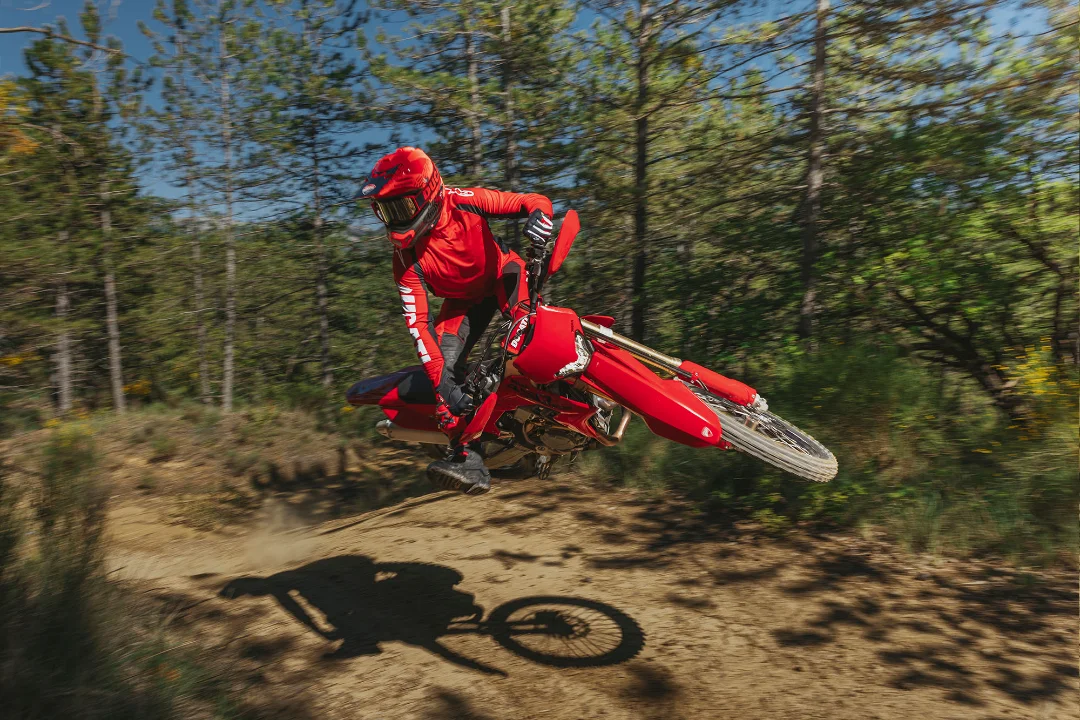
Brembo brakes and Galfer discs
Braking is handled by a system developed in cooperation with Brembo. At the front there is a floating two-piston caliper and a 260 mm Galfer disc. At the rear works a single-piston caliper and a 240 mm disc. The pads were prepared with the modulation required in enduro in mind, where braking often takes place on loose, slippery or uneven surfaces.
This is important because in off-road conditions aggressive brakes are not always an advantage. What matters is feel, the ability to precisely dose braking force and predictable motorcycle reactions.
Ducati electronics: DTC, Launch Control and X-Link
The biggest technological highlight is the electronics available after installing the Ducati Performance racing kit at an authorized dealer. Then the Desmo450 EDS can use Ducati Traction Control, a traction control system calibrated specifically for enduro. Ducati emphasizes that the system does not work like the simple limiters used in many off-road motorcycles, but reacts to real rear wheel slip.
DTC offers four levels of intervention. Two are intended for advanced racers and two for less experienced riders who want a greater safety margin. Lower levels are suitable for dry and grippier sections, higher ones for wet, uneven or slippery surfaces. The system can recognize situations in which it should not intervene, such as jumps, and automatically switches itself off. The rider can also temporarily deactivate traction control with a light pull of the clutch.
The electronics package also includes Launch Control, Engine Brake Control, a Quickshifter and two riding modes and two power modes. Settings can be configured using the Ducati X-Link app, which connects to the motorcycle via a Wi-Fi module. In practice, this allows the bike to be tailored to riding style, conditions and the character of the route.
Adaptive maintenance: service dependent on riding style
Ducati is introducing an adaptive engine wear monitoring system in the Desmo450 EDS. The motorcycle anticipates two types of service: MID and FULL. The MID service includes piston replacement and valve clearance check and can be carried out every 90–120 hours, depending on engine load. FULL service means a complete engine overhaul and is scheduled for around every 180–240 hours, also depending on operating conditions.
A special algorithm analyzes engine operating parameters, usage conditions and surface type in real time. On this basis, it updates the percentage wear indicator and service schedule visible in the Ducati X-Link app. This solution is particularly interesting because it moves away from a fixed hour counter. A rider who rides aggressively will get a shorter interval, while an amateur using the motorcycle more gently can realistically extend the time between interventions.
Key technical data of the Ducati Desmo450 EDS
Item | Specification |
|---|---|
Engine | Single-cylinder Desmo450, 449.6 cm³, desmodromic valve train |
Frame | Aluminum perimeter frame |
Fuel tank | 8.5 liters, transparent |
Front suspension | Showa USD 49 mm, fully adjustable, 310 mm travel, Kashima coating |
Rear suspension | Showa, fully adjustable, 301 mm travel |
Brakes | Brembo, Galfer discs 260 mm front and 240 mm rear |
Wheels | 21 inches front, 18 inches rear, Takasago Excel rims, Alpina spokes |
Tires | Metzeler Six Days Extreme 80/100-21 and 110/90-18 |
Optional electronics | DTC, Launch Control, EBC, Quickshifter, riding and power modes |
Color | Ducati Red |
Ducati Performance accessories
Ducati has prepared a Performance accessories catalog that allows the Desmo450 EDS to be upgraded for sport. The offer will include, among others, forged wheel hubs, suspension triples, a complete exhaust system, an Akrapovič titanium slip-on muffler and Brembo Racing calipers. The list of accessories is to be gradually expanded.
The manufacturer has also provided a performance clothing collection created in cooperation with Drudi Performance. It includes, among others, a jersey, pants, gloves and Alpinestars boots, an Arai helmet, a windproof vest and Spidi jackets.
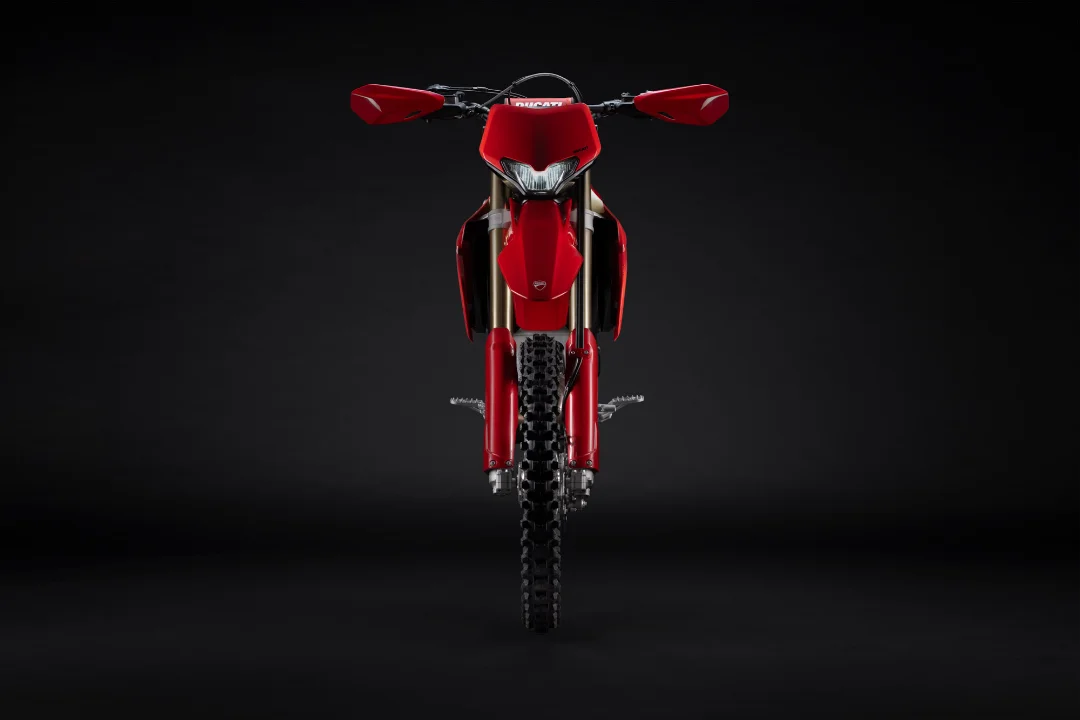
Who is the Ducati Desmo450 EDS for?
The Ducati Desmo450 EDS targets ambitious enduro users: from racers who want to use advanced electronics and racing accessories to amateurs looking for a motorcycle that is fast but easier to control than a typical uncompromising motocross machine. The engine characteristics, six-speed gearbox, larger tank, component protection and suspension focused on grip indicate that Ducati has taken enduro very seriously.
It’s worth remembering that some electronic and racing elements require the Ducati Performance kit, and such equipment may not be intended for road use. Detailed information for the Polish market is provided by Ducati Polska, and the brand’s exclusive distributor in Poland is Liberty Corp 2 Sp. z o.o.
#Ducati#Desmo450 EDS#enduro#Desmo450#cross#Showa#Brembo
Frequently Asked Questions
- Is the Ducati Desmo450 EDS Ducati’s first enduro motorcycle?
- Yes, Ducati describes the Desmo450 EDS as its first modern enduro motorcycle. The model was developed on the basis of the Desmo450 MX, but received a number of changes for enduro riding.
- What engine does the Ducati Desmo450 EDS have?
- The motorcycle is powered by a single-cylinder Desmo450 engine with a displacement of 449.6 cm³ and a desmodromic valve train. The unit has been tuned for smooth power delivery and strong torque at low and medium revs.
- Does the Ducati Desmo450 EDS have traction control?
- Ducati Traction Control is available after installing the Ducati Performance racing kit. The system offers four levels of intervention and has been calibrated specifically for enduro riding.
- What suspension is used on the Ducati Desmo450 EDS?
- At the front works a fully adjustable 49 mm Showa USD fork with 310 mm of travel, and at the rear a fully adjustable Showa shock with 301 mm of travel. The suspension was developed with the involvement of Antoine Meo.
- What are the service intervals for the Ducati Desmo450 EDS?
- The MID service, which includes, among other things, piston replacement and valve clearance check, is scheduled every 90–120 hours. The FULL engine overhaul may be required approximately every 180–240 hours, depending on riding style and engine load.
Check other news

JETOUR G700 TOPFIRE Debuts in Saudi Arabia as a Factory-Customized Off-Road SUV
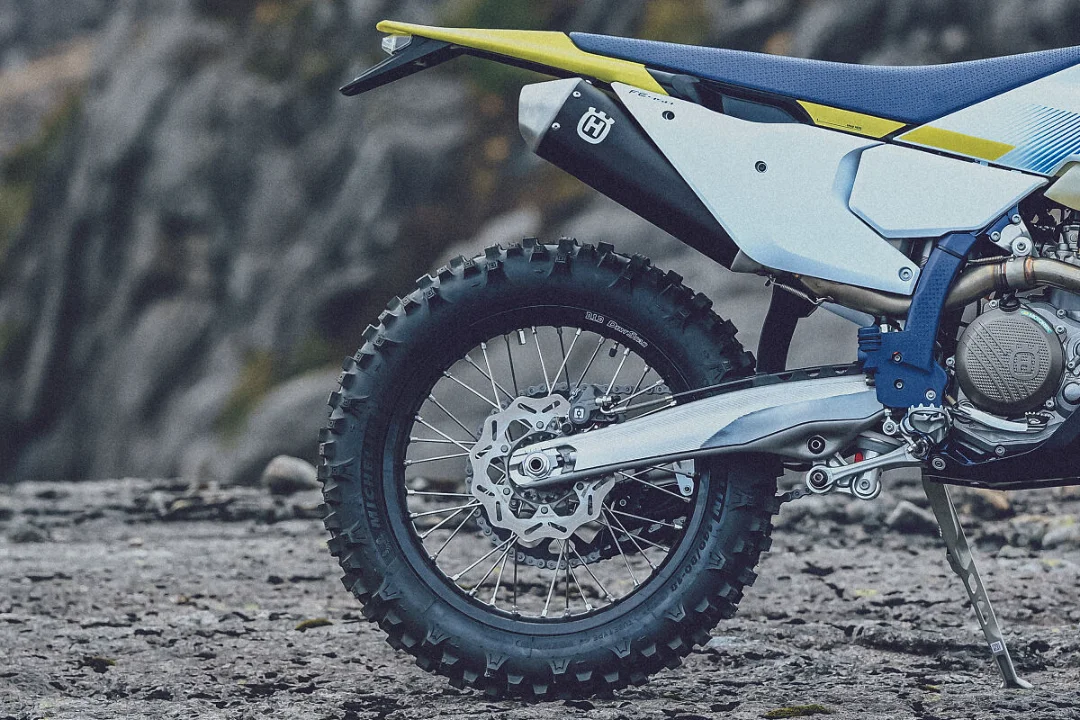
Husqvarna Recalls 2022-2024 Offroad Motorcycles with Braktec Brake Systems

CarVertical Discount Code: Check a Vehicle's History by VIN for Less
BMW R 12 G/S Becomes the New GS Trophy Competition Bike
Triumph reveals new Moto2 race engine for 2027: a new era for the Grand Prix middleweight class