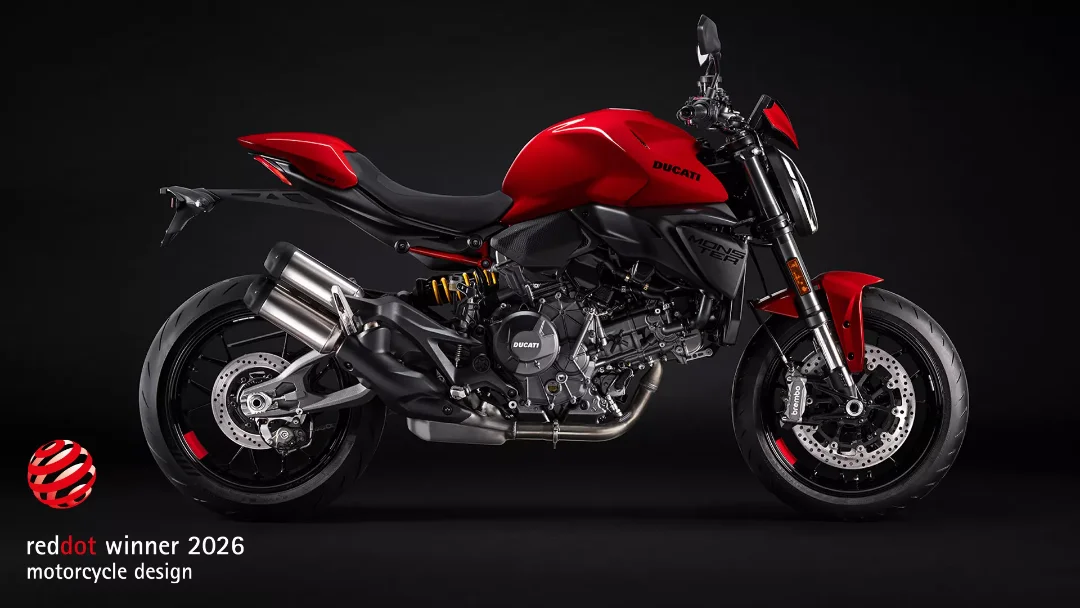
Gear Up for the Open Road: A Comprehensive Guide to Long-Distance Motorcycle Preparation
12/05/2026
⛽
Track Your Fuel Costs
Log every fill-up, monitor consumption trends and keep all your motorcycle expenses in one place — powered by AI.
Start Your Fuel Journal →Preparing for a cross-country motorcycle trip is a ritual that begins long before the engine roars to life on departure day. A long-distance tour is not merely a ride; it is a test of endurance for both the pilot and the machine. Unlike daily commuting, touring subjects a bike to sustained high speeds, varying weather conditions, and the added strain of heavy luggage. Proper preparation ensures that the journey remains an adventure rather than a series of roadside repairs, allowing the rider to focus on the horizon and the unique sense of freedom that only two wheels can provide.
Table of Contents
The mental shift required for a long trip is as significant as the mechanical one, demanding a
blend of focus and the ability to adapt to changing circumstances. Just as strategic enthusiasts
look for reliability and professional environments at
https://jugabet.cl/services/live-casino
to engage with their favorite pastimes, a motorcyclist must seek out the highest standards of
preparation to ensure a smooth experience. Precision in your pre-ride check serves as the
foundation for your safety, allowing you to handle the unpredictability of the road with the same
calm calculated approach used by those who master high-stakes environments.
Comprehensive Mechanical Inspection
The foundation of any trip is a motorcycle in peak mechanical condition. You should start by
changing the engine oil and filter, even if the current interval hasn't been reached, to ensure
maximum lubrication during long highway stretches. Checking the cooling system is equally vital;
ensure the coolant level is topped up and inspect all hoses for tiny cracks or signs of bulging
that could lead to a leak under pressure. A fresh set of spark plugs and a clean air filter can
also significantly improve fuel economy, which becomes a critical factor when traveling through
remote areas with limited gas stations.
Tire Health and Pressure Management
Tires are the only contact points between your bike and the pavement, making them the most
critical safety component. Before a long trip, inspect the tread depth across the entire surface,
keeping in mind that a tire with 30% tread left might disappear quickly over three thousand miles
of hot asphalt. You should look for flat spots in the center of the tire which can affect
handling, and check for any embedded debris like glass or metal shards. Adjusting the tire
pressure according to the manufacturer’s recommendations for a fully loaded bike is essential to
prevent overheating and premature wear.
Drive Train Maintenance
Whether your bike uses a chain, belt, or shaft drive, the transmission system requires specific
attention before a departure. For chain-driven motorcycles, you must clean the chain thoroughly
with a dedicated solvent, inspect it for tight links, and lubricate it while the metal is warm. It
is also wise to check the tension and adjust it to account for the extra weight of your luggage
and gear. If your bike is shaft-driven, checking the final drive oil for metal shavings or
discoloration can prevent a catastrophic failure in the middle of nowhere.
Electrical System and Lighting
A long trip often involves riding through rain or after sunset, making your electrical system's
reliability paramount. You should test the battery's voltage to ensure it is holding a charge
properly, especially if the battery is more than two years old. Inspect every bulb, including the
high beam, turn signals, and brake light, to ensure you remain visible to other motorists. Adding
a dedicated USB charging port or a 12V socket is a practical upgrade that allows you to keep your
GPS or smartphone powered throughout the day without draining the primary battery.
Ergonomics and Rider Comfort
Comfort is a safety issue; a fatigued rider is a distracted rider. Consider installing a taller
windshield to reduce wind buffet on your chest and head, which significantly lowers physical
exhaustion during long days. Adding aftermarket footpegs with a wider surface area or highway bars
can allow you to shift your leg position and prevent cramping. For many, a gel seat pad or a
custom sheepskin cover provides the necessary cushioning to endure eight to ten hours in the
saddle without developing painful pressure points.
Luggage Systems and Weight Distribution
The way you pack your motorcycle dictates how it will handle in corners and under braking.
High-quality hard panniers or soft waterproof dry bags should be mounted as low and as far forward
as possible to keep the center of gravity stable. You should place heavier items, such as tools
and spare parts, at the bottom of the bags, while keeping frequently used items like rain gear or
a first-aid kit in an easily accessible tank bag. Always perform a test ride with a fully loaded
bike to get a feel for the altered braking distances and lean angles.
Emergency Kit and Spare Parts
Even the most well-prepared motorcycle can encounter issues, so carrying a specialized tool kit
is mandatory. This kit should include specific wrenches for your bike’s axles, a tire plug kit
with CO2 cartridges for roadside flat repairs, and a selection of zip ties and duct tape for
temporary fixes. Carrying small but essential spares like a clutch cable, extra fuses, and a few
liters of engine oil can save you from being stranded. A compact jump-starter pack is also a
modern essential that can get you back on the road without needing another vehicle for a boost.
Conclusion: Ready for the Horizon
In conclusion, preparing a motorcycle for a long-distance journey is a multifaceted process that
balances mechanical integrity with rider ergonomics. By systematically addressing each system—from
the tires and engine to the luggage and emergency gear—you transform your machine into a reliable
partner for the road ahead. This meticulous attention to detail provides the peace of mind
necessary to truly immerse yourself in the travel experience. Once the final bolt is tightened and
the last bag is strapped down, the only thing left is to twist the throttle and let the road
unfold before you.
Sponsored
#sponsored
Check other news

JETOUR G700 TOPFIRE Debuts in Saudi Arabia as a Factory-Customized Off-Road SUV
Husqvarna Recalls 2022-2024 Offroad Motorcycles with Braktec Brake Systems

CarVertical Discount Code: Check a Vehicle's History by VIN for Less
BMW R 12 G/S Becomes the New GS Trophy Competition Bike
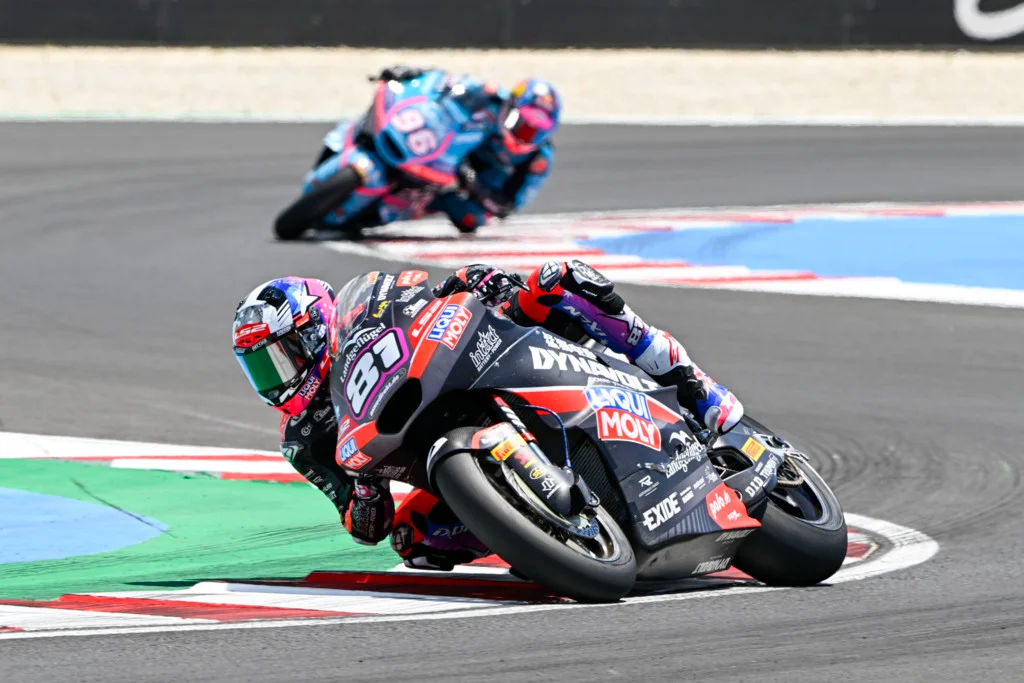
Triumph reveals new Moto2 race engine for 2027: a new era for the Grand Prix middleweight class